
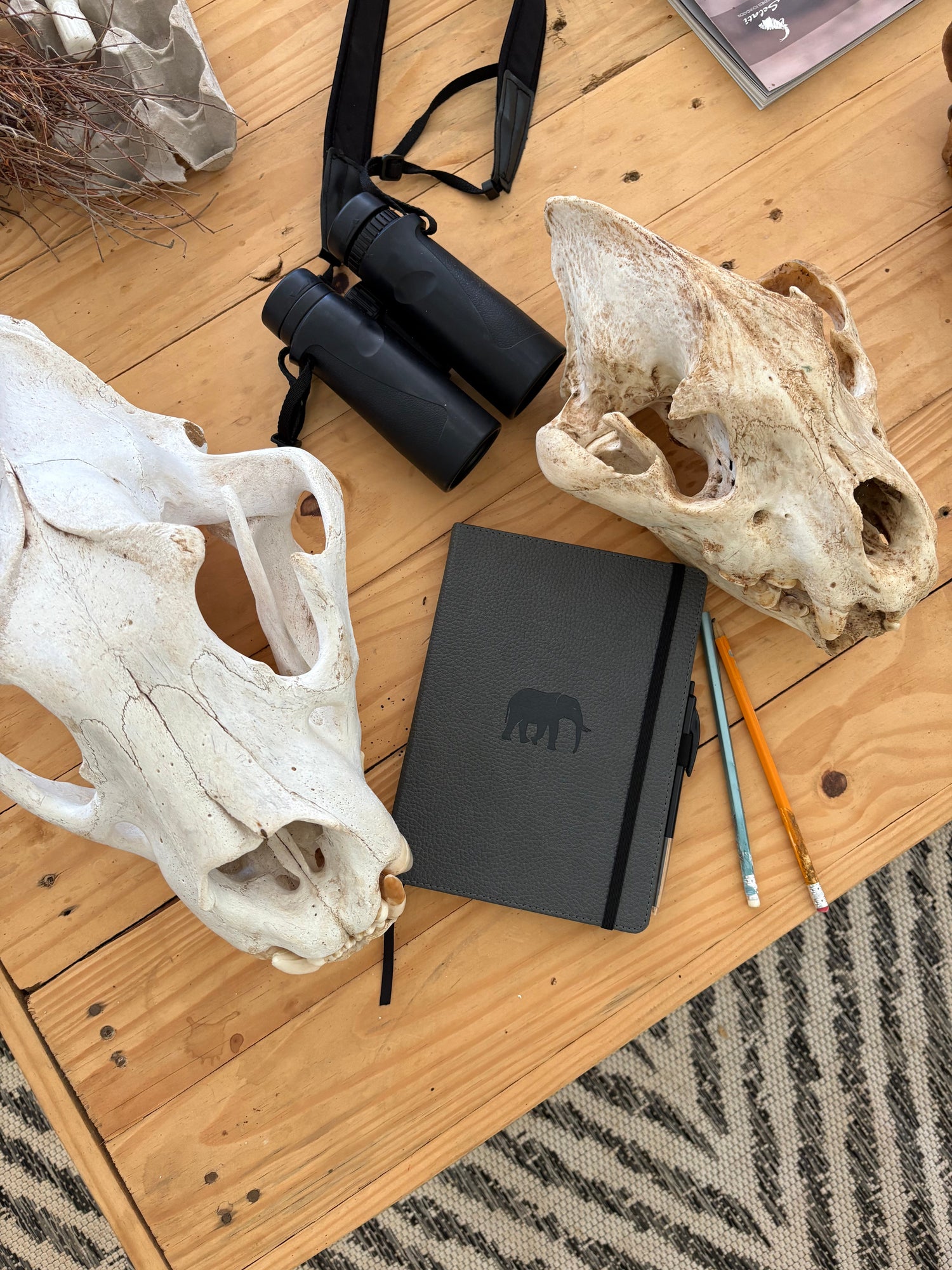
Last updated: September 2026 | A guide to memory objects, keepsakes, personal archives, notebooks, storytelling, life documentation, and Dingbats* notebooks
Some objects remember things photos cannot.
A receipt from a meal that changed your mood.
A ticket from a train ride you almost missed.
A notebook filled during a strange year.
A pen you used through an entire project.
A pressed flower from a place you never expected to love.
A postcard you bought but never sent.
A handwritten note folded into the back pocket of a journal.
Photos show what something looked like. Objects often remember what it felt like. That is why certain ordinary things become impossible to throw away. They may have no obvious value to anyone else, but to you, they hold a whole piece of life. A date. A person. A place. A version of yourself. A small moment that would otherwise be difficult to explain. These are memory objects. They tell stories not because they are expensive, rare, or impressive, but because they were there. They were carried, used, kept, marked, folded, written on, passed along, or saved from being thrown away.
A notebook is one of the most powerful memory objects because it does not only hold evidence of life. It holds your own words around it.
At Dingbats*, we believe paper becomes more meaningful through use. A notebook starts as blank pages, but over time it becomes a personal object: a place for notes, lists, sketches, memories, plans, receipts, tickets, thoughts, and pieces of your everyday life.
The object becomes the story. And sometimes, the story is better than the photo.
Quick Overview: Why Objects Tell Stories
| Object Type | What It Can Hold |
|---|---|
| Receipt | A meal, place, person, date, or ordinary moment |
| Ticket | A trip, event, journey, or memory of movement |
| Notebook | Thoughts, plans, handwriting, ideas, lists, and a phase of life |
| Letter | Someone’s words, handwriting, voice, and emotion |
| Postcard | A place, a message, or a moment of connection |
| Pressed flower | A walk, season, landscape, or personal memory |
| Pen | A project, routine, habit, or period of writing |
| Book | Marginalia, reading memory, quotes, and personal response |
| Dingbats* notebook | A personal archive for writing, keepsakes, sketches, and everyday memory |
An object becomes meaningful when it carries a story only you can fully read.
Why Some Objects Become Meaningful
Not every object becomes meaningful. Most things pass through life quietly. They are used, moved, forgotten, replaced, or thrown away. But some objects gather meaning. They become attached to a person, a place, a time, a decision, a feeling, or a story. The object itself may be simple, but the memory around it becomes layered.
A movie ticket becomes the night you met someone.
A notebook becomes the year you started again.
A coffee receipt becomes the conversation that changed your mind.
A boarding pass becomes your first trip alone.
A pen becomes the project you stayed up late to finish.
A postcard becomes the message you almost sent.
Objects become meaningful because they give memory a physical shape.
What Gives an Object Meaning
| Source of Meaning | Example |
|---|---|
| Time | You kept it through a specific season of life |
| Person | It belonged to, came from, or reminds you of someone |
| Place | It connects to somewhere you went or lived |
| Use | You used it often enough that it absorbed routine |
| Emotion | It was present during something important |
| Change | It marks a beginning, ending, decision, or transition |
| Rarity | It is not replaceable because of its context |
| Story | You can explain why it matters |
The object does not need to be beautiful. It needs to be connected.
Photos Capture the Scene. Objects Hold the Context.
Photos are powerful. They show faces, places, colors, light, outfits, rooms, landscapes, tables, streets, and moments. They help us remember what something looked like. But photos do not always hold the whole story.
A photo might show the restaurant, but not the receipt with the dish you ordered.
A photo might show the trip, but not the ticket you kept in your notebook.
A photo might show the notebook on a desk, but not the handwriting inside it.
A photo might show a finished project, but not the messy pages that helped create it.
Objects carry a different kind of memory. They hold contact. They were touched, carried, folded, used, written on, saved, or worn down.
Photos vs Objects
| Photos | Objects |
|---|---|
| Show what something looked like | Hold what physically remained |
| Capture a visual moment | Carry use, texture, and touch |
| Often live in a camera roll | Exist in your hand, desk, drawer, or notebook |
| Can feel polished | Often feel more intimate and imperfect |
| Show the outside of a memory | Can hold the private context around it |
| Are easy to take in large numbers | Are usually saved more selectively |
A photo says, “This happened.” An object says, “This came with me.”
The Emotional Power of Ordinary Things
The most meaningful objects are often ordinary.
A note.
A wrapper.
A train ticket.
A key.
A bookmark.
A notebook.
A receipt.
A dried leaf.
A grocery list.
A card with handwriting on it.
These objects matter because they are close to life as it was actually lived. Big memories are easy to recognize. Ordinary memories are more fragile. They disappear because they seem too small to record. Objects help preserve them.
Ordinary Objects Worth Keeping
| Object | What It Might Remember |
|---|---|
| Grocery list | A phase of routine, handwriting, household rhythm |
| Cafe receipt | A conversation, mood, place, or regular order |
| Ticket | A journey, show, museum, match, or trip |
| Postcard | A place, person, or message |
| Business card | A meeting, opportunity, or turning point |
| Pressed flower | A walk, season, garden, or memory of place |
| Map | A route, wrong turn, or travel day |
| Bookmark | A book, reading phase, or favorite line |
| Notebook page | A thought, plan, idea, list, or feeling |
| Pen | A project, exam, job, journal, or habit |
Ordinary objects are powerful because they remember ordinary life. And ordinary life is what we lose first.

A Notebook Is a Memory Object in Progress
A notebook becomes a memory object slowly. At first, it is blank. Then it holds the first page. Then a list. Then a date. Then a project. Then a thought. Then a ticket in the pocket. Then crossed-out words. Then a page you return to. Then handwriting from a version of yourself that no longer feels current.
By the time the notebook is full, it is no longer just stationery. It is a record. Not only of what you wrote, but of who you were while writing it.
How a Notebook Becomes a Memory Object
| Stage | What Changes |
|---|---|
| Blank notebook | Potential |
| First page | Beginning |
| Daily notes | Routine |
| Lists | Practical life |
| Journal entries | Inner life |
| Sketches | Visual memory |
| Tickets and scraps | Physical evidence |
| Crossed-out words | Thinking in progress |
| Finished pages | A completed chapter |
| Full notebook | Personal archive |
A notebook is different from many keepsakes because it holds both object and explanation. The receipt may remind you of a meal. The notebook can hold the receipt and the story.
Why Handwriting Makes Objects More Personal
Handwriting changes the emotional value of paper. A typed note can be useful, but handwriting carries the presence of the person who made it. The pressure, spacing, speed, corrections, slant, and rhythm all become part of the memory. This is why old letters feel different. Why a handwritten recipe can feel more precious than a printed one. Why a notebook page can feel intimate years later. Why a grocery list in someone’s handwriting can become impossible to throw away.
Handwriting turns paper into evidence of a person.
What Handwriting Preserves
| Detail | Why It Matters |
|---|---|
| Pressure | Shows speed, mood, or emphasis |
| Corrections | Reveals thought in progress |
| Spacing | Makes the page feel personal |
| Underlining | Shows what mattered |
| Arrows and marks | Shows how the mind connected ideas |
| Dates | Places the writing in time |
| Imperfection | Makes the object feel human |
A Dingbats* notebook becomes more personal with every handwritten page. The more it is used, the more it belongs to you.

Memory Objects and Personal Identity
The things we keep often say something about who we are. Not because objects define us, but because they show what we notice, value, return to, and refuse to let disappear. A person’s saved objects can reveal their story in a way a simple biography cannot.
The books they annotated.
The notebooks they filled.
The recipes they kept.
The postcards they saved.
The tickets they tucked away.
The lists they wrote.
The tools they used every day.
These objects create a portrait. Not a perfect one. A human one.
What Kept Objects Can Reveal
| Object Category | What It Might Reveal |
|---|---|
| Books | Curiosity, taste, questions, phases |
| Notebooks | Thoughts, work, plans, memories, handwriting |
| Tickets | Places, movement, experiences |
| Letters | Relationships, language, emotion |
| Recipes | Family, culture, routine, care |
| Tools | Work, craft, discipline, repetition |
| Cards | Celebration, friendship, love, milestones |
| Scraps | Small details that felt worth saving |
The objects you keep become part of your personal archive. They show what mattered enough to stay.
The Difference Between Clutter and Keepsakes
Not everything needs to be kept. A personal archive should not become a pile of things you feel guilty about sorting. The difference between clutter and a keepsake is meaning.
A keepsake has a story.
A keepsake has context.
A keepsake helps you remember something.
A keepsake still feels connected to your life, even if the event has passed.
Clutter usually lacks that connection. The goal is not to save everything. The goal is to save what still speaks.
Clutter vs Keepsake
| Clutter | Keepsake |
|---|---|
| Kept without knowing why | Kept because it holds meaning |
| Creates stress | Creates connection |
| Has no clear memory attached | Carries a person, place, moment, or story |
| Feels like an obligation | Feels worth returning to |
| Gets buried | Deserves a place |
| Accumulates randomly | Is chosen intentionally |
A notebook helps turn potential clutter into memory because it lets you add context. A ticket alone may become random. A ticket taped into a notebook with a date and story becomes part of your life archive.
What to Keep in a Notebook Pocket
The expandable pocket in a notebook is one of the most underrated memory tools. It gives loose pieces a place to wait until you decide what to do with them. Not everything needs to be taped in immediately. Sometimes you just need somewhere safe to keep the small paper pieces of a day, trip, project, or event.
Things to Keep in a Notebook Pocket
| Item | Why Keep It |
|---|---|
| Receipts | Meals, places, conversations, trips |
| Tickets | Travel, concerts, museums, events |
| Notes | Messages, reminders, ideas |
| Postcards | Places, people, memories |
| Stickers | Mood, design, travel, packaging |
| Business cards | Meetings, contacts, opportunities |
| Photos | Visual memory |
| Small maps | Routes and places |
| Pressed leaves or flowers | Nature, walks, seasons |
| Labels or tags | Objects, gifts, products, moments |
The pocket is not just a practical feature. It is a holding place for memory.
Why Tickets, Receipts, and Scraps Matter
Tickets, receipts, and scraps can feel disposable. That is what makes them interesting. They were not designed to last, yet they often become the most specific evidence of a moment. A receipt can remember the exact date, place, order, and person you were with. A ticket can remember a journey, seat, show, match, or museum. A small scrap can remember packaging, handwriting, color, texture, or mood. These objects are specific in a way memory is not always specific.
What Paper Scraps Can Preserve
| Scrap | Memory Detail |
|---|---|
| Restaurant receipt | Meal, location, date, people |
| Train ticket | Route, movement, travel day |
| Museum ticket | Exhibition, city, season |
| Gift tag | Occasion, giver, handwriting |
| Shopping receipt | A purchase tied to a phase or event |
| Cafe loyalty card | Routine and place |
| Map | Route, wrong turn, discovery |
| Product label | Taste, design, object, memory |
A notebook gives these scraps context. Without context, they may look like paper. With context, they become evidence.

Objects That Tell Travel Stories
Travel creates some of the strongest memory objects because movement makes details feel charged. A boarding pass, map, hotel card, ticket, museum brochure, receipt, postcard, or pressed flower can bring back a place more vividly than a photo alone. Photos show what you saw. Objects can bring back what you touched, carried, bought, used, folded, and saved.
Travel Objects Worth Keeping
| Object | What It Can Remember |
|---|---|
| Boarding pass | The beginning of a journey |
| Train ticket | Movement between places |
| Hotel card | A temporary home |
| Map | Routes, wrong turns, neighborhoods |
| Museum ticket | A cultural memory |
| Restaurant receipt | A meal and its context |
| Postcard | A place seen through a small image |
| Pressed flower | Landscape, walk, season |
| Small note | A recommendation or phrase from someone local |
| Notebook page | The feeling of the trip in your own words |
The Dingbats* Wildlife Collection works beautifully for travel memories because animal-inspired covers feel connected to movement, place, and observation. A Wildlife notebook can hold the notes, lists, scraps, and impressions that make a trip more than a camera roll.

Objects That Tell Work Stories
Work memories often disappear into emails, folders, messages, and final files. But the real story of work usually happens before the final version. A notebook can preserve the messy part: the first idea, the rejected direction, the feedback, the meeting note, the timeline, the decision, the line that changed the project. These objects and pages tell the story behind the outcome.
Work Objects and Notes Worth Keeping
| Item | What It Can Remember |
|---|---|
| Notebook page | Early thinking and process |
| Project timeline | How something developed |
| Meeting note | Decisions and context |
| Feedback page | What changed the direction |
| Printed draft | Work before it was polished |
| Business card | A meeting or opportunity |
| Event badge | A launch, conference, or milestone |
| Product sample note | Development and testing |
| Sketch | First visual idea |
| Checklist | The effort behind the result |
The Dingbats* Earth Collection works well for work memories because structure helps you keep projects, notes, timelines, decisions, and follow-ups organized. A finished project shows what was done. A notebook shows how it happened.

Objects That Tell Creative Stories
Creative work leaves traces.
Sketches.
Color tests.
Moodboards.
Paper scraps.
Drafts.
Swatches.
Notes.
Cuttings.
Materials.
Failed attempts.
Early concepts.
These objects tell the story of a creative process better than the finished result alone. A finished piece may look effortless, but the notebook remembers the process.
Creative Objects Worth Keeping
| Object | What It Shows |
|---|---|
| Sketch | The idea before it became final |
| Color swatch | Direction and testing |
| Moodboard scrap | Inspiration and reference |
| Draft | Earlier thinking |
| Pen test | Material exploration |
| Paper sample | Texture and choice |
| Rejected idea | The path not taken |
| Annotated printout | Feedback and revision |
| Notebook page | The full process in one place |
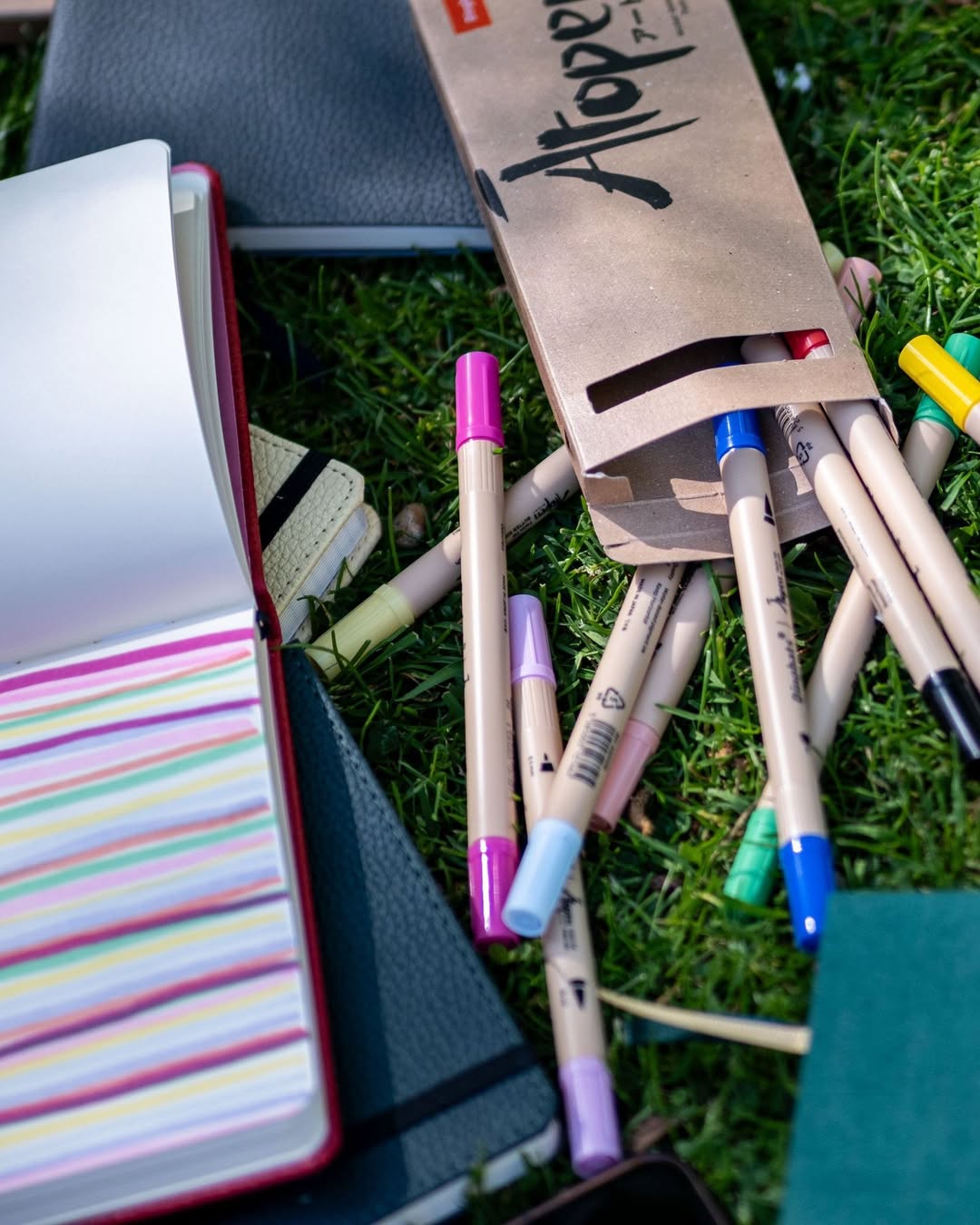
The Dingbats* Pro Collection is especially suited to creative memory because its 160gsm mixed media paper supports sketches, visual notes, moodboards, brush pens, markers, calligraphy, and light washes. Creativity is not only the finished thing. It is the evidence of getting there.

Objects That Tell Relationship Stories
Relationships are full of objects. Letters, cards, notes, gifts, photos, tickets, recipes, shared lists, inside jokes, travel scraps, and tiny reminders that only make sense to the people involved. These objects can hold someone’s voice, handwriting, humor, care, and presence. A handwritten note can bring back a person in a way a photo sometimes cannot.
Relationship Objects Worth Keeping
| Object | What It Can Hold |
|---|---|
| Letter | Words, handwriting, emotion |
| Card | Occasion, message, relationship |
| Recipe | Family, care, tradition |
| Ticket | Shared experience |
| Photo booth strip | Playfulness and moment |
| Gift tag | Handwriting and occasion |
| Shared list | Routine and inside jokes |
| Postcard | Distance and connection |
| Note in a notebook | A memory recorded before it fades |
A personal notebook can hold the context around these objects: who was there, what was said, why it mattered, what you want to remember. The object holds the trace. The writing holds the meaning.
Objects That Tell Family Stories
Family history often lives in objects.
A recipe card.
A piece of jewelry.
A notebook.
A photograph with writing on the back.
A tool.
A letter.
A book with someone’s name inside.
A box of old documents.
A small object kept long after its use disappeared.
These things carry memory across time. They may not explain themselves fully, which is why writing matters. A family object becomes more meaningful when someone records the story attached to it.
Family Object Prompts
| Prompt | What to Write |
|---|---|
| Who did this belong to? | Name, relationship, dates if known |
| Where did it come from? | Place, home, trip, occasion |
| How was it used? | Everyday use or special purpose |
| Why was it kept? | Memory, tradition, emotion |
| What story comes with it? | Anecdotes, family phrases, context |
| What do I want future people to know? | Meaning beyond the object |
A notebook can become a family archive one page at a time. Not by recording everything. By saving the stories that objects cannot tell alone.
How to Start an Object Memory Notebook
An object memory notebook is a place to record the meaning behind the things you keep.
It can be simple. You do not need to turn it into a museum catalog. You only need enough detail to make the object meaningful later.
Object Memory Page Template
| Prompt | Your Notes |
|---|---|
| Object | |
| Date | |
| Place | |
| Person connected to it | |
| What happened | |
| Why I kept it | |
| What it reminds me of | |
| What I want to remember | |
| Where I stored it |
You can use this for tickets, receipts, letters, postcards, keepsakes, gifts, family objects, travel scraps, or meaningful everyday items.
The goal is simple: Give the object its story.
How to Build a Personal Archive Without Keeping Everything
A personal archive should feel meaningful, not overwhelming. Start small. Choose the objects that still carry a memory. Add context. Store them intentionally. Let go of what no longer says anything.
Simple Personal Archive System
| Step | What to Do |
|---|---|
| 1. Choose selectively | Keep what has a clear memory or meaning |
| 2. Add context | Write why the object matters |
| 3. Date it | Time makes memories easier to place |
| 4. Group by theme | Travel, family, work, relationships, creativity |
| 5. Use a notebook pocket | Hold loose pieces temporarily |
| 6. Tape in what belongs on the page | Make the object part of the story |
| 7. Store larger objects separately | Note where they are kept |
| 8. Review occasionally | Keep what still feels connected |
You do not need to become a collector. You only need to become a better keeper of what matters.

What to Write Beside a Keepsake
A keepsake becomes more powerful when you write beside it. Without words, future-you may remember less than you expect. You may forget why you kept it, who was there, what happened that day, or what the object meant at the time. A short caption can save the memory.
Keepsake Caption Ideas
| Caption Prompt | Example |
|---|---|
| Where this came from | “Cafe receipt from our first morning in Lisbon.” |
| Why I kept it | “This was the day the project finally felt real.” |
| Who was there | “Dinner with Maya after the long meeting.” |
| What this reminds me of | “The walk back in the rain.” |
| What changed after this | “This was when I decided to say yes.” |
| What I want to remember | “How calm I felt here.” |
| One sentence memory | “We missed the train and had the better day because of it.” |
A caption does not need to be long. It only needs to unlock the memory.
Memory Objects and the Dingbats* Wildlife Collection
The Dingbats* Wildlife Collection fits the emotional side of memory keeping.
Animal-inspired covers make the notebook feel personal before anything is written inside. The cover becomes part of the identity of the notebook, and over time, the notebook itself becomes attached to a season, trip, project, or phase of life.
Use Wildlife For
| Memory Type | Why It Works |
|---|---|
| Everyday keepsakes | Receipts, notes, tickets, small scraps |
| Travel memories | Animal covers connect naturally to place and observation |
| Personal journaling | Smooth paper supports longhand reflection |
| Letters | Drafts, unsent notes, and personal messages |
| Relationship memories | Notes, conversations, shared moments |
| Personal lore | Small details from daily life |
Wildlife works well when the object has emotional weight. It gives memory character.

Memory Objects and the Dingbats* Earth Collection
The Dingbats* Earth Collection fits the organized side of memory keeping. Some people want their memories to have structure. They want indexes, timelines, monthly recaps, travel logs, project records, lists, and collections. Earth helps turn scattered objects and notes into something easier to return to.
Use Earth For
| Memory Type | Why It Works |
|---|---|
| Timelines | Track trips, relationships, projects, and life phases |
| Indexes | Find important memories later |
| Monthly recaps | Create a record of each month |
| Travel planning and memory | Combine itinerary with reflections |
| Project archives | Record decisions, launches, lessons |
| Lists | Places, songs, books, meals, objects |
Earth works well when memory needs a map. It helps personal history become findable.

Memory Objects and the Dingbats* Pro Collection
The Dingbats* Pro Collection fits visual memory keeping.
Some objects need more than a written caption. They need sketches, color, collage, layout, layering, and space. Pro supports this because its 160gsm mixed media paper is designed for more creative pages.
Use Pro For
| Memory Type | Why It Works |
|---|---|
| Visual archives | Sketches, scraps, photos, tickets, and notes |
| Creative process | Moodboards, swatches, drafts, references |
| Travel spreads | Maps, tickets, sketches, color palettes |
| Family object pages | Drawings, captions, and layered storytelling |
| Personal history pages | Collage, handwritten notes, visual layouts |
| Object studies | Sketch the object and write its story |
Pro is for memories that are easier to understand visually. It gives objects room to become pages.

How to Decide What Is Worth Keeping
The best question is not, “Is this valuable?”
The better question is, “Does this help me remember something I care about?”
Questions to Ask Before Keeping an Object
| Question | Why It Helps |
|---|---|
| Does this remind me of a person? | Connection gives the object meaning |
| Does this remind me of a place? | Place anchors memory |
| Does this mark a change? | Beginnings and endings matter |
| Does this hold a story? | Story gives the object life |
| Would I miss this if I threw it away? | Helps separate clutter from keepsake |
| Can I write one sentence about it? | If yes, it may be worth keeping |
| Is this the best object to represent that memory? | Keeps the archive selective |
| Can I store it properly? | Keeps memory from becoming mess |
You do not need to keep every object. Keep the ones that still speak clearly.
A Simple “Five Objects” Exercise
One powerful way to understand your life is to choose five objects that tell part of your story. They do not have to be the most expensive, beautiful, or obvious objects. They only need to carry meaning.
Five Objects That Tell My Story
| Object | What It Says About Me |
|---|---|
| Object 1 | |
| Object 2 | |
| Object 3 | |
| Object 4 | |
| Object 5 |
Try choosing five objects from different parts of life:
- childhood
- work
- travel
- friendship
- family
- creativity
- a difficult season
- a new beginning
- a place you love
- a habit that shaped you
Then write one page about each. By the end, you will have something more interesting than a list of possessions. You will have a self-portrait made of objects.
A Simple “Object Story” Template
Use this when you want to write about one object in more depth.
Object Story Template
| Prompt | Your Notes |
|---|---|
| What is the object? | |
| Where did it come from? | |
| Who is connected to it? | |
| When did it become meaningful? | |
| What memory does it hold? | |
| What does it say about that time in my life? | |
| Why have I kept it? | |
| What would someone else not know just by looking at it? | |
| What do I want future-me to remember? |
This template works beautifully for notebook pages because it turns a simple object into a story. A keepsake without context can become mysterious. A keepsake with writing becomes memory.
A Simple “Ticket and Receipt” Page
Tickets and receipts are some of the easiest memory objects to collect.
They are already dated. They usually include a place. They often connect to a person, meal, trip, event, or ordinary day.
Ticket and Receipt Page Template
| Prompt | Your Notes |
|---|---|
| Date | |
| Place | |
| Object kept | |
| Who was there | |
| What happened | |
| Best small detail | |
| Why I kept this | |
| One sentence memory |
This is especially useful for travel, concerts, exhibitions, restaurants, special days, or ordinary routines you want to remember later. The object gives proof. The writing gives meaning.
A Simple “Notebook as Object” Reflection
A notebook is not only the container for memory. It is also a memory object itself. When you finish a notebook, take one page to reflect on what the notebook held.
Finished Notebook Reflection
| Prompt | Your Notes |
|---|---|
| When did I start this notebook? | |
| When did I finish it? | |
| What phase of life does it represent? | |
| What kind of notes filled it most? | |
| What changed while I was using it? | |
| Which pages matter most? | |
| What objects or scraps did I keep inside? | |
| What does this notebook now mean to me? |
This turns the notebook into a chapter. Not just a stack of pages.
How to Store Memory Objects
Memory objects need a home. Otherwise, they become scattered, damaged, or forgotten. Small paper objects can live inside notebook pockets, envelopes, folders, boxes, or taped into pages. Larger objects can be stored separately, with a note in your notebook explaining where they are and why they matter.
Simple Storage Ideas
| Object Type | Storage Idea |
|---|---|
| Tickets and receipts | Notebook pocket, envelope, taped page |
| Letters and cards | Box, folder, or notebook pocket |
| Photos | Album, envelope, or visual notebook page |
| Pressed flowers | Notebook page or protective sleeve |
| Maps and brochures | Folder or folded into notebook pocket |
| Small objects | Labeled box |
| Larger keepsakes | Store separately and record location in notebook |
| Finished notebooks | Shelf, archive box, or labeled storage |
Storage does not need to be complicated. It needs to make memory easier to find.
When to Let Objects Go
Letting go is part of keeping. If everything is kept, nothing stands out. Objects can lose meaning. A receipt may no longer bring back anything. A ticket may not matter anymore. A keepsake may belong to a version of you that no longer needs it. That is fine. Letting go does not erase the past. It makes room for the objects that still carry something.
Signs You Can Let an Object Go
| Sign | What It Means |
|---|---|
| You no longer remember why you kept it | The connection may be gone |
| It creates stress instead of meaning | It may be clutter |
| You have a better object for the same memory | Keep the stronger one |
| The memory is already recorded elsewhere | The object may not be needed |
| It feels like obligation | It may not be yours to keep emotionally |
| It no longer reflects your life | You can release it |
Before letting go, you can write one sentence about it. Sometimes recording the memory is enough. The object can leave. The story can stay.
Frequently Asked Questions
Why do objects hold memories?
Objects hold memories because they are connected to people, places, routines, emotions, and moments. They give memory a physical anchor and help us return to a specific time or story.
Can objects tell stories better than photos?
Sometimes, yes. Photos show what something looked like, but objects can hold touch, use, context, texture, handwriting, movement, and personal meaning.
What are memory objects?
Memory objects are items kept because they carry personal meaning. They can include tickets, receipts, letters, notebooks, postcards, jewelry, tools, books, photos, pressed flowers, or everyday objects connected to a specific memory.
How do I start a personal archive?
Start by choosing a few meaningful objects, writing down the story behind each one, dating them, and storing them intentionally. A notebook is a simple place to record the context behind keepsakes.
What should I keep in a notebook pocket?
You can keep tickets, receipts, notes, postcards, stickers, photos, maps, business cards, labels, pressed flowers, and other small paper objects that connect to a memory.
How do I know if something is a keepsake or clutter?
A keepsake has a story, person, place, feeling, or memory attached to it. Clutter usually lacks clear meaning or creates stress instead of connection.
Which Dingbats* notebook is best for memory objects?
The Wildlife Collection works well for personal and travel memories, the Earth Collection works well for organized timelines and archives, and the Pro Collection works well for visual memory pages, sketches, collage, and creative keepsake layouts.


Leave a comment
All comments are moderated before being published.
This site is protected by hCaptcha and the hCaptcha Privacy Policy and Terms of Service apply.