
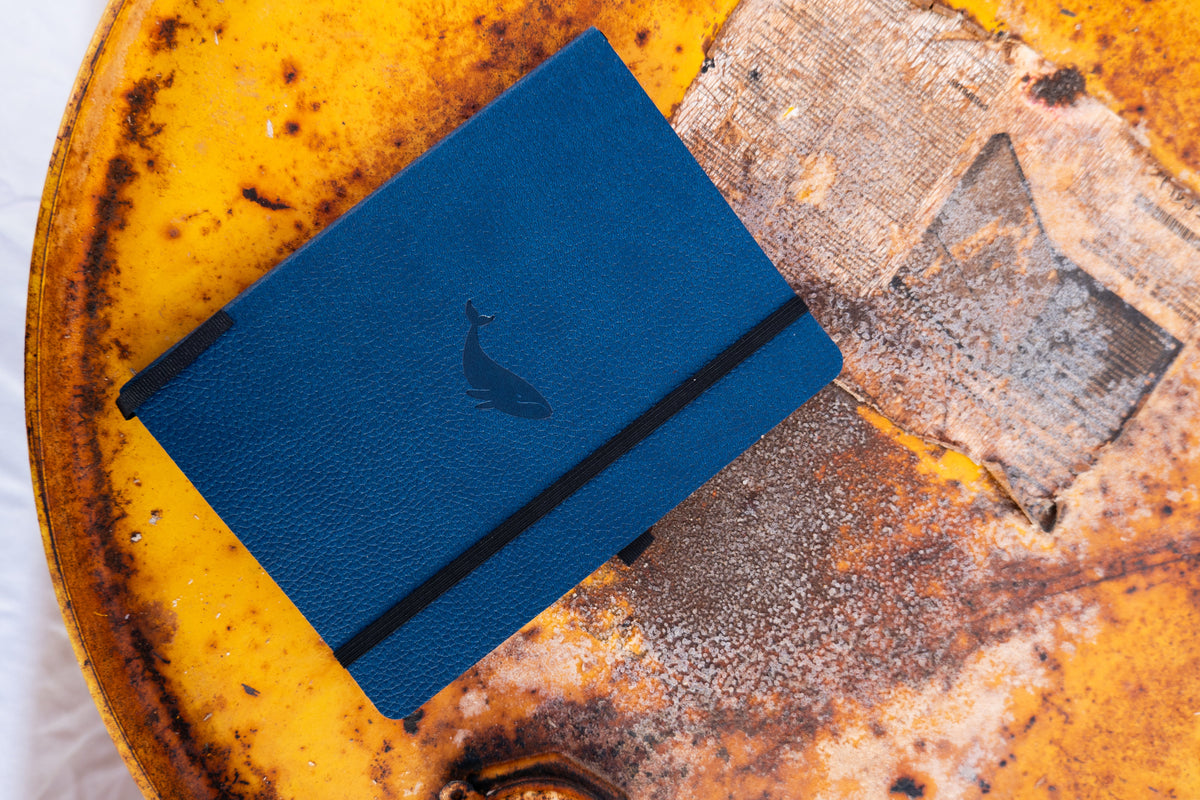
Some memories are difficult to capture with words alone.
The colors of a street you walked through. The shape of your morning coffee cup. A building that caught your attention. The view from a train window. A meal you enjoyed. A small moment that didn't seem important until later.
A visual diary gives those details somewhere to live.
Unlike a traditional journal, which often relies on written reflections, a visual diary combines sketches, colors, photographs, handwritten notes, and small keepsakes to document everyday experiences.
And you don't need to be an artist to create one.
Your pages can be messy, minimal, colorful, detailed, or completely spontaneous. The purpose isn't to produce beautiful artwork every day. It's to develop a personal record of the things you notice, experience, and want to remember.
Whether you're a designer, traveler, creative professional, or simply someone who enjoys documenting life, here's how to start a visual diary and make it your own.
What Is a Visual Diary?
Instead of describing everything through paragraphs, you can use drawings, color swatches, diagrams, photographs, tickets, labels, and other visual elements.
A visual diary can be personal, artistic, practical, or exploratory.
Some people use one to capture everyday life. Others document their travels, creative process, surroundings, or changing interests.
There are no strict rules about what belongs inside.
Visual Diary vs Traditional Journal
| Traditional Journal | Visual Diary |
|---|---|
| Primarily written entries | Combines images and writing |
| Often focuses on thoughts and feelings | Often focuses on experiences and observations |
| May use long paragraphs | Can use sketches, captions, and visual layouts |
| Usually chronological | Can be chronological or theme-based |
| Emphasizes written reflection | Encourages visual expression and observation |
A visual diary doesn't have to replace a traditional journal. You can combine both approaches in the same notebook or use them for different purposes.
Why Keep a Visual Diary?
A visual diary encourages you to notice details that might otherwise pass unnoticed.
When you know you might sketch something later, you may pay closer attention to the shape of a building, the colors of a landscape, the arrangement of objects on a table, or the small details that make a place recognizable.
It also provides a creative way to document memories.
A photograph can capture an entire scene, but a sketch lets you choose which details matter most to you.
You might remember the unusual window of a cafe rather than the entire building, or the colors of a market rather than every stall.
Your visual diary becomes a record of your perspective.
What Can a Visual Diary Capture?
| Subject | Visual Diary Example |
|---|---|
| Everyday moments | Morning coffee, desk setup, favorite objects |
| Travel | Streets, architecture, tickets, landscapes |
| Nature | Flowers, leaves, wildlife, seasonal colors |
| Food | Meals, recipes, restaurant details |
| Personal style | Outfits, accessories, color combinations |
| Creative work | Sketches, concepts, experiments |
| Memories | Events, celebrations, meaningful places |
| Observations | Interesting objects, patterns, signs |
The smallest subjects can sometimes make the most personal pages.

How to Start a Visual Diary
Starting a visual diary is easier when you approach it as a collection of observations rather than a formal art project.
You don't need to plan an entire notebook or decide exactly what every page should look like.
Begin with a few basic tools and one subject that interests you.
Step 1: Choose Your Notebook
Your notebook should suit the materials you enjoy using.
If you primarily want to make pencil sketches and handwritten notes, a regular notebook may be sufficient.
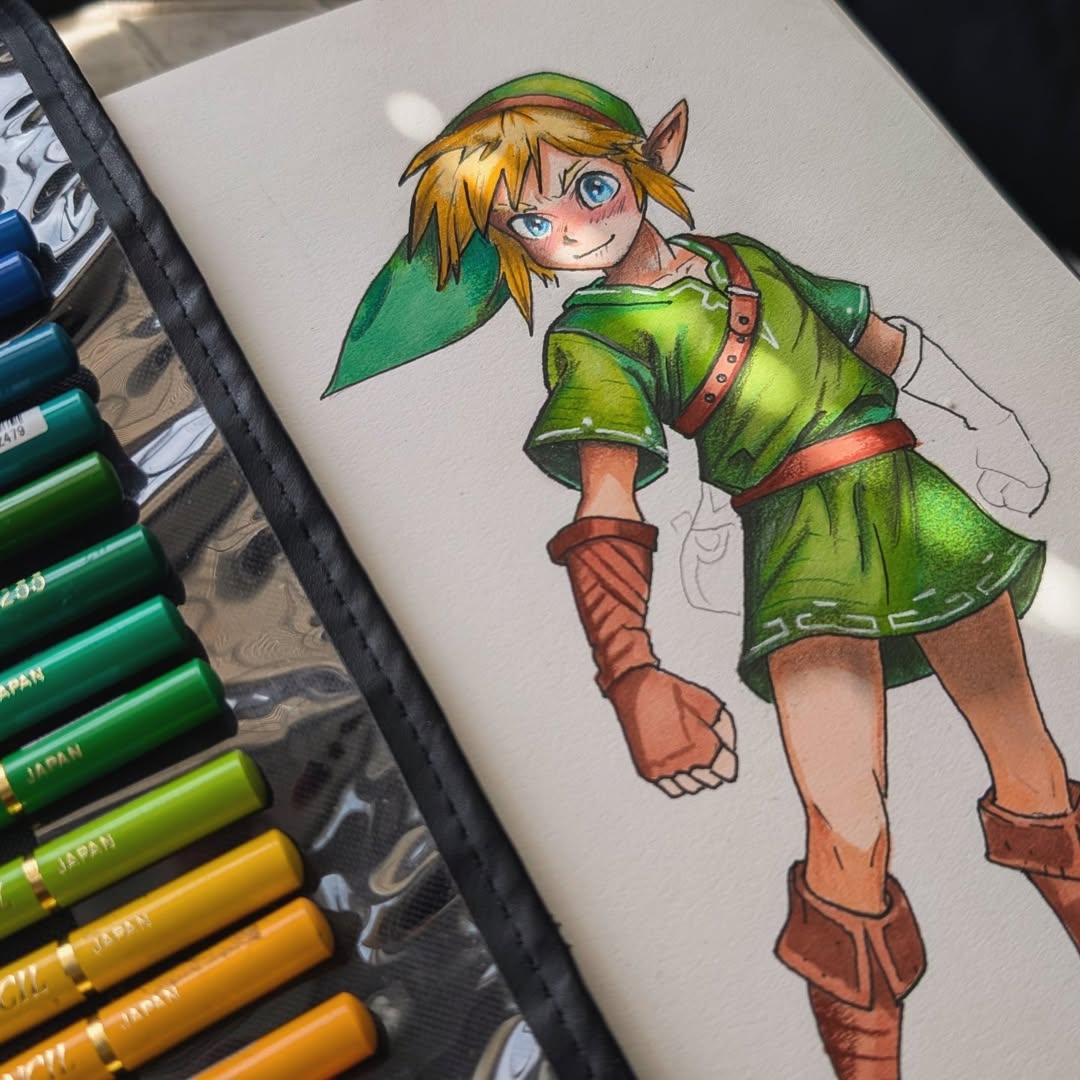
If you plan to use markers, brush pens, color swatches, collage, or light washes, a sketchbook with heavier paper gives you more flexibility.
Its B5 format also gives you space to combine drawings, captions, references, and visual experiments on the same page.
Choose a notebook that makes you want to open it.

Step 2: Start With Simple Materials
You don't need a large collection of art supplies. A pen and pencil are enough to begin. As you develop your visual diary, you might add colored pencils, fine liners, markers, brush pens, or small paper keepsakes.
| Material | How to Use It |
|---|---|
| Pencil | Quick sketches and outlines |
| Fine liner | Drawings, labels, and details |
| Colored pencils | Adding color and shading |
| Brush pens | Lettering and expressive marks |
| Markers | Color blocks and visual accents |
| Glue tape | Attaching lightweight keepsakes |
| Photos or tickets | Adding memories and context |
Use whichever tools feel comfortable. A visual diary should be enjoyable to maintain, not expensive or complicated.
Step 3: Choose Your First Subject
One of the easiest ways to begin is to draw something directly in front of you.
Your coffee cup. A plant. A pair of shoes. Your keys. A book you're reading. The view from your window.
Simple objects are excellent starting points because they don't require elaborate planning.
You can sketch the object, add the date, and write one or two sentences explaining why you chose it.
Maybe the coffee was from your favorite cafe. Maybe the book is one you finally finished. Maybe the shoes accompanied you on a memorable trip.
The combination of image and context creates the entry.
15 Visual Diary Ideas to Try
A visual diary doesn't need a new subject every day. But when you need inspiration, these ideas can help.
1. Draw Your Morning Coffee
Sketch your cup, the table, or the cafe where you had it.
Add a small caption about the place, the weather, or what was on your mind that morning.
2. Document a Walk
Take a short walk and pay attention to three interesting things.
You might notice an unusual doorway, a colorful flower, or a building with distinctive windows.
Draw them together on one page.
3. Create a Color Diary
Choose five colors you noticed throughout the day.
They might come from clothing, food, architecture, nature, or objects around you.
Create small swatches and label where each color came from.
4. Sketch Your Favorite Everyday Objects
Choose a few objects you use regularly.
A pen, notebook, watch, camera, water bottle, or favorite mug.
Draw them individually or arrange them as a collection.
5. Keep a Food Diary Through Illustrations
Instead of recording only what you ate, draw a memorable meal.
Add the restaurant name, date, ingredients you noticed, or a short description.
You don't need realistic food illustrations. Simple shapes and colors are enough.
6. Document a Weekend
Dedicate one spread to a weekend.
Include three small drawings representing the places you visited, things you did, or moments you enjoyed.
Add short captions underneath.

7. Draw Interesting Architecture
Buildings offer endless visual references.
Sketch windows, doors, staircases, balconies, arches, or decorative details.
You can focus on one feature rather than attempting to draw an entire building.
8. Create a Nature Observation Page
Choose a plant, flower, insect, bird, or landscape.
Sketch what you see and add notes about its colors, shapes, movement, or surroundings.
9. Illustrate a Favorite Quote
Choose a short quote from a book or conversation.
Write it in the center of the page and add small drawings or colors inspired by its meaning.
10. Record a Travel Day
Use one page to capture a day of travel.
Include a small map, transport ticket, building sketch, meal illustration, or memorable view.
You don't need to document every activity. Choose the details you want to remember.
11. Create a Monthly Visual Recap
At the end of each month, choose six moments that stood out.
Represent each one through a small sketch, symbol, color, or photograph.
Add the date and a short caption.
12. Draw What You're Wearing
Illustrate an outfit you particularly liked or an item of clothing you wear frequently.
Add notes about colors, materials, or where you wore it.
13. Keep a Visual Reading Diary
Draw the cover of a book you're reading, a setting from the story, or an object associated with a character.
Add a quote, rating, or personal reaction.

14. Document a Creative Project
Use a spread to show a project in development.
Include the initial sketch, color choices, material references, and notes about what changed along the way.
15. Make a Page of Small Discoveries
Create a collection of things you noticed during the week.
An interesting package, a new cafe, a beautiful flower, an unusual sign, or a color combination.
These small discoveries can make a visual diary feel uniquely personal.
Visual Diary Layout Ideas
A visual diary doesn't need a consistent layout on every page.
In fact, part of its appeal is being able to arrange memories differently depending on the subject.
Still, a few layouts can make it easier to begin.
| Layout | Best For |
|---|---|
| One large illustration | A meaningful place or object |
| Four-panel grid | Daily moments or weekly highlights |
| Sketch and caption | Travel, food, personal memories |
| Two-page spread | Events, creative projects, detailed observations |
| Collage layout | Tickets, photographs, keepsakes |
| Color-led layout | Seasonal observations, fashion, design |
| Timeline | A memorable day or experience |
A simple sketch-and-caption layout is a good starting point.
Draw the subject in the center of the page, write the date above it, and add a few handwritten observations around the image.
As you become more comfortable, experiment with more elaborate arrangements.
How to Keep a Visual Diary Without Being Good at Drawing
One of the most common reasons people hesitate to start a visual diary is the belief that they need artistic skills. But a visual diary isn't an art portfolio. Its purpose is to record your observations and experiences.
A drawing doesn't need to be realistic to be meaningful.
A quick outline of a coffee cup can remind you of a particular morning. A few lines representing a street can bring back the atmosphere of a trip. A simplified illustration of a meal can preserve the memory without capturing every detail.
If drawing feels intimidating, start with basic shapes.
A building can begin as rectangles. A flower can begin as circles and curved lines. A coffee cup can begin as an oval and two straight edges.
You can also combine photographs, printed images, and handwritten notes instead of relying entirely on sketches.
Your visual diary should reflect how you see the world, not how accurately you can reproduce it.
How to Create a Visual Travel Diary
Travel is one of the most enjoyable subjects for visual journaling because every destination offers new details.
Architecture, food, landscapes, signs, local colors, tickets, and small observations can all become part of the pages.
Rather than trying to document the entire trip, focus on one or two memorable details each day.
Travel Visual Diary Template
| Section | What to Include |
|---|---|
| Destination | City, town, or location |
| Date | When you visited |
| Main illustration | Building, landscape, meal, or object |
| Small detail | Something unusual or memorable |
| Color palette | Colors associated with the place |
| Keepsake | Ticket, label, or small photograph |
| Caption | A short memory or observation |
When you return home, these pages can become a more personal reminder of the trip than a simple itinerary.

How to Use a Visual Diary for Creative Work
Visual diaries are also useful for designers, artists, photographers, architects, and people working in creative fields. They provide a place to collect inspiration outside formal projects.
You might notice a compelling color palette in a shop window, an interesting material combination, a distinctive typeface, or an unusual architectural shape.
Recording these observations can help build a reference library for future work. A visual diary can also document creative development. For example, you might use one spread to show an initial concept, another to explore variations, and a final page to reflect on the result.
Visual Diary Ideas for Creative Professionals
| Creative Field | What to Document |
|---|---|
| Graphic design | Typography, patterns, colors, compositions |
| Photography | Lighting, locations, visual references |
| Architecture | Buildings, materials, structural details |
| Fashion | Outfits, fabrics, silhouettes |
| Product design | Shapes, packaging, material experiments |
| Illustration | Characters, compositions, sketch studies |
| Marketing | Campaign concepts, photography references, visual storytelling |

How to Combine Writing and Drawing
The best visual diary pages often combine images and words. A drawing captures appearance, while writing provides context. For example, a sketch of a cafe might show the shape of the windows, but a caption can explain why you remember that visit.
You don't need to write long paragraphs. A few lines can be enough.
Try adding captions that answer one or two questions:
What am I looking at?
Where was I?
Why did I notice this?
What made this moment memorable?
What do I want to remember about it?
This balance makes your diary more than a sketchbook and more than a written journal. It becomes a record of both what you saw and what you thought.
How Often Should You Write in a Visual Diary?
You don't need to create an entry every day.
Daily visual journaling can be enjoyable, but it can also become demanding if you expect every page to be elaborate. A weekly approach may be more manageable.
For example, you could create one spread every Sunday featuring your favorite moments from the week. Or you might use your visual diary only when traveling, visiting interesting places, or working on creative projects.
The most important thing is choosing a rhythm you enjoy. A visual diary should encourage you to notice more, not make you feel guilty when you miss a day.
Choosing the Right Dingbats* Notebook for a Visual Diary
Different visual diaries need different kinds of paper and space.
If you want a notebook for occasional illustrations alongside writing, an everyday notebook can work well.
If your entries involve more color, drawing, or mixed media, heavier paper and a spacious layout become more important.
| Dingbats* Collection | Best For |
|---|---|
| Pro Collection | Illustrated diaries, sketches, color studies, mixed media |
| Wildlife Collection | Everyday memories, nature observations, writing with occasional sketches |
| Earth Collection | Structured visual trackers, dated observations, organized collections |
Dingbats* Pro Collection
The Pro Collection is the strongest fit for a drawing-led visual diary.
Its 160gsm mixed media paper, B5 size, and lay-flat construction create a flexible space for illustrations, visual experiments, handwritten captions, color swatches, and light washes.
It's a particularly good choice for creatives who want to combine daily observations with more expressive drawing.
Dingbats* Wildlife Collection
The Wildlife Collection works well for a more personal, writing-led visual diary.
Its 100gsm cream paper and animal-inspired covers make it a natural choice for recording everyday experiences, travel memories, personal observations, and small sketches.
Dingbats* Earth Collection
The Earth Collection is suited to visual diaries with more structure.
Its dotted pages, numbered pages, and index make it useful for dated observations, monthly recaps, organized themes, and creative tracking.
Choose the collection that matches the kind of pages you want to create.

Common Visual Diary Mistakes to Avoid
Trying to Make Every Page Perfect
A visual diary doesn't need to look like a finished artwork.
Quick drawings, uneven lines, and imperfect layouts are all part of the experience.
Choosing Subjects That Are Too Complicated
If you're new to drawing, begin with simple objects and familiar surroundings.
You can gradually attempt more complex scenes as you become comfortable.
Using Too Many Materials at Once
You don't need every pen, marker, or creative tool.
A few familiar supplies can help you develop a consistent approach without complicating the process.
Forgetting Dates and Captions
A sketch may feel meaningful when you create it, but the context can become less clear over time.
Adding a date, location, or short caption helps preserve the memory.
Comparing Your Diary to Other People's Work
Your visual diary is meant to document your perspective.
It doesn't need to follow a particular artistic style or look like the pages you see online.
Turning the Diary Into an Obligation
A visual diary should be something you enjoy returning to.
If daily entries feel overwhelming, switch to weekly recaps or occasional pages.
A Simple Visual Diary Page Template
Use this structure when you're not sure how to begin.
| Element | Your Entry |
|---|---|
| Date | |
| Location | |
| Subject | |
| Main sketch or visual | |
| Colors I noticed | |
| Small details | |
| What made this moment memorable | |
| One sentence to remember |
You can use the template for everyday moments, travel memories, nature observations, or creative inspiration. As your diary develops, you may find yourself naturally creating your own layouts.
Frequently Asked Questions
What is a visual diary?
How do I start a visual diary?
Choose a notebook, gather a few simple drawing tools, and begin with something familiar. Sketch an object, add the date, and write a short caption explaining why you chose it.
Do you need to be good at drawing to keep a visual diary?
No. A visual diary is about personal observation and memory, not artistic perfection. Simple sketches, photographs, symbols, and written notes are all valid ways to create entries.
What should I draw in a visual diary?
You can draw everyday objects, food, architecture, landscapes, plants, outfits, travel memories, books, or anything that catches your attention.
What is the difference between a visual diary and a sketchbook?
A sketchbook is generally used for drawing and artistic exploration. A visual diary focuses more specifically on documenting experiences, observations, memories, and personal reflections through visual elements.
How often should I update my visual diary?
There is no fixed schedule. You can create daily entries, weekly recaps, or occasional pages whenever something inspires you.
Which Dingbats* notebook is best for visual journaling?
The Pro Collection is ideal for illustrated and mixed media visual diaries. The Wildlife Collection suits writing-led diaries with occasional sketches, while the Earth Collection works well for structured and organized visual entries.

Leave a comment
All comments are moderated before being published.
This site is protected by hCaptcha and the hCaptcha Privacy Policy and Terms of Service apply.