

The Art of the Portable Dispatch: Why the Wildlife Softcover is the Ultimate Companion for a Life in Motion
Inspiration is not a scheduled event. It is a sudden spark that occurs while you are navigating the morning commute, observing the shifting light in a public square, or overhearing a profound snippet of conversation in a crowded terminal. To live a truly creative life is to be in a constant state of readiness.
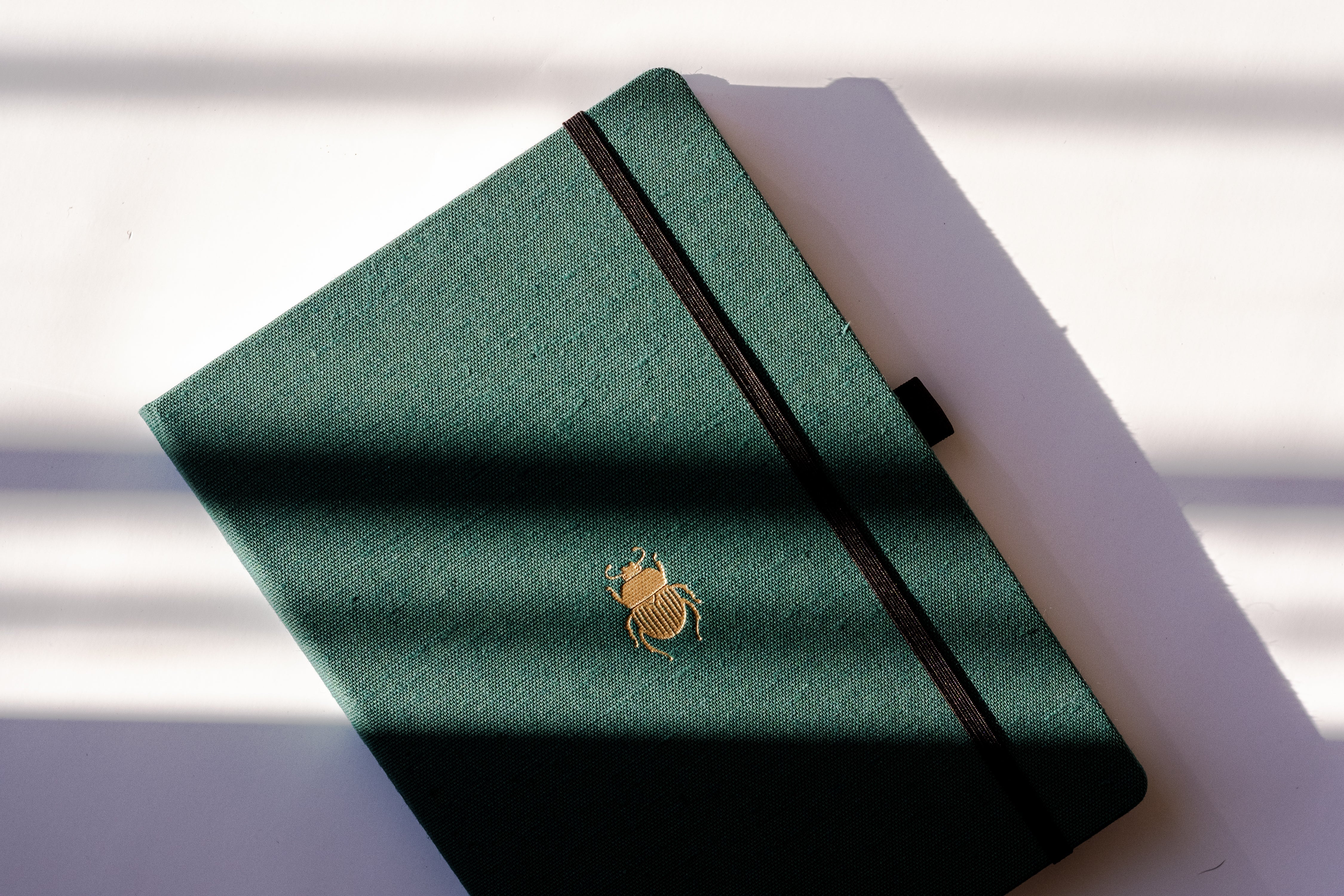
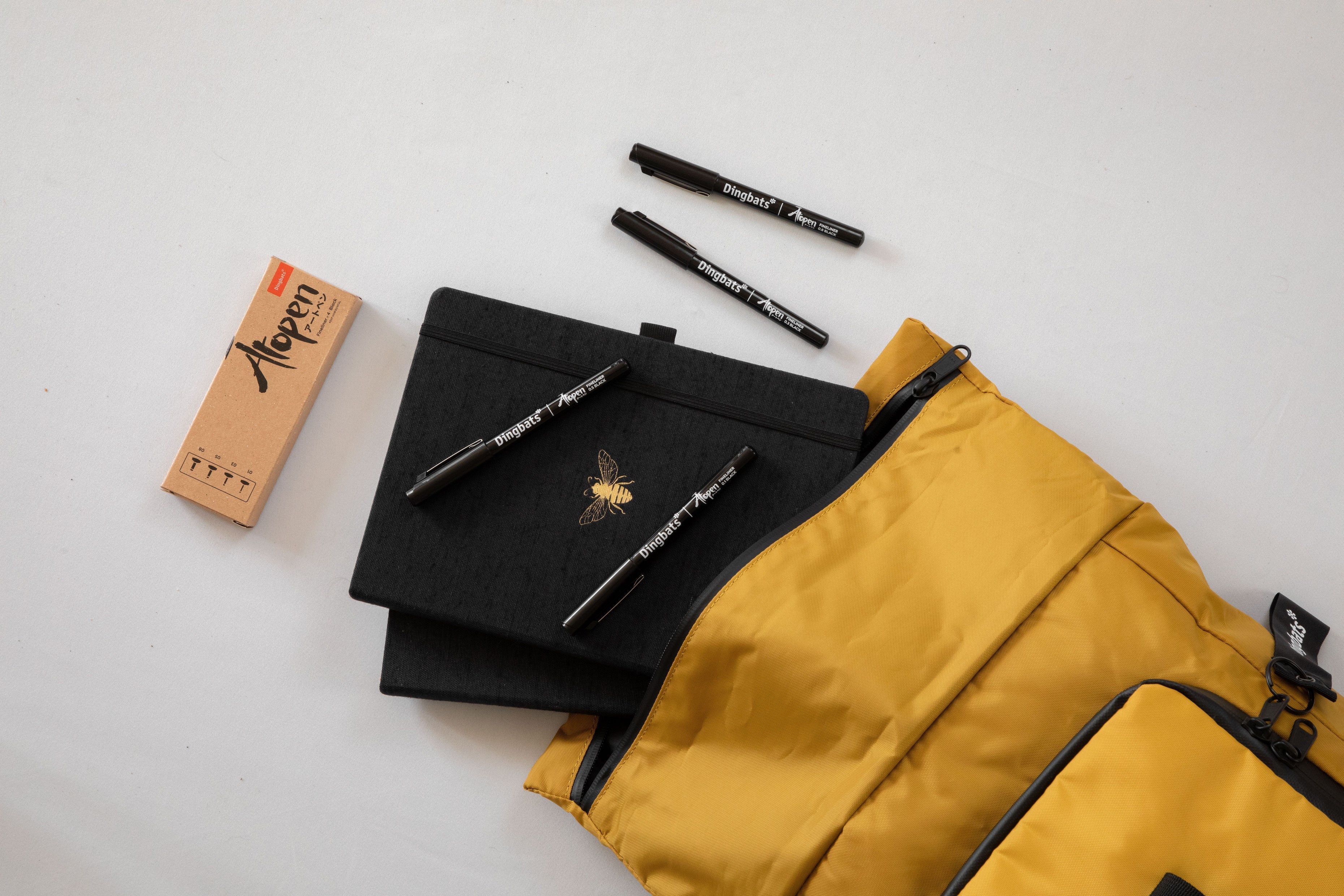
The Dingbats* Wildlife Softcover was engineered for this exact purpose. It isn't just a place to store information; it is a flexible, high-performance extension of your thoughts that lives wherever you do. By focusing on portability and sensory feedback, the Softcover turns every idle moment into an opportunity for mastery.

The History of the "Everywhere" Journal
Journaling on the go, often referred to as "Field Logging", is the antithesis of the desk-bound diary. It is a tradition practiced by history’s most influential thinkers, who realized that the world is a much better teacher than a four-walled room.
- The Renaissance Origins: Scholars once carried "Commonplace Books": small, portable volumes used to record "snippets" of knowledge, from medical recipes to philosophical quotes.
- The "Grand Tour" Tradition: In the 18th century, travelers across Europe carried leather-bound journals to sketch ruins and record social interactions, birthing the modern Travel Journal.
- The Café Culture: In the 1920s, the "Lost Generation" of writers like Ernest Hemingway moved writing out of the study and into the Parisian cafés. Hemingway famously wrote in small notebooks while sipping café au lait, proving that a great book could be born in a noisy public space.
Famous "On-the-Go" Documentarians:
- Leonardo da Vinci: He carried small notebooks tucked into his belt to sketch everything from water turbulence to the flight of birds the moment he observed them.
- Charles Darwin: His voyage on the HMS Beagle was documented in tiny, pocket-sized field books. These spontaneous "on-the-go" scribbles became the foundation for The Origin of Species.
- Marcus Aurelius: The Roman Emperor wrote his Meditations while on military campaigns, journaling in his tent to maintain Stoic clarity amidst the chaos of war.
 The Science of the "Instant Capture"
Why write in the moment rather than waiting until you get home? The answer lies in Neurology.
1. Defeating the "Forgetting Curve"
German psychologist Hermann Ebbinghaus discovered the "Forgetting Curve," which shows that humans lose approximately 50% of new information within just one hour. By journaling on the metro or during a lunch break, you capture the "raw data" of an experience—the specific smells, colors, and emotions, before your brain "normalizes" and filters the details.
2. Cognitive Offloading
Carrying a mental list of ideas while navigating a busy city creates Cognitive Load, which leads to mental fatigue. Writing a thought down in your Softcover acts as a physical "Save" button. This Cognitive Offloading frees up your mental energy, significantly reducing daily anxiety and allowing you to be more present in your environment.
3. Stability in Motion (Haptic Feedback)
Studies in Kinesthetic Learning suggest that writing by hand provides sensory feedback that improves motor control. The natural "tooth" of the 100gsm "Fountain Pen Friendly" paper in a Dingbats* notebook provides a grounding resistance. This is why it feels more stable to write in a Softcover on a vibrating train than to type on a "frictionless" glass screen.

The Sensory Edge: Tactile Grounding in a High-Speed World
Beyond its utility, the Wildlife Softcover serves as a Sensory Anchor. In a world dominated by smooth glass and haptic buzzes, the physical textures of the Softcover offer a grounding experience that helps center the mind.
The "Silk" Paper Experience
We utilize 100gsm acid-free paper not just for its durability, but for its feel. The paper is specifically coated to provide a smooth, "silky" glide for the pen nib. This reduces the physical friction of writing, making it easier to enter a "Flow State"—the psychological phenomenon where you become completely immersed in your activity.
Material Resilience
The cover is crafted from a bespoke synthetic leather that is temperature-neutral. Unlike cold metal or glass devices, the Softcover feels warm and organic in the hand. It is supple enough to be folded 360 degrees back on itself, creating a rigid, one-handed writing pallet. This flexibility means the notebook conforms to your grip, making it a natural extension of your body as you move through the city.

Designed for the Urban Jungle: 100% Perforation
The Wildlife Softcover is the modern heir to the field notebooks of Da Vinci and Darwin, but with 21st-century engineering. The most radical feature is that every single page (all 112 of them) is micro-perforated.
- The Instant Hand-off: Met a collaborator at a café? Sketch a plan, snap the page out cleanly, and hand it over. There is a profound psychological weight to giving someone a physical piece of your work; it represents a tangible commitment and a professional level of care.
- Modular Archiving: Once a project is finished, you can remove the pages and file them into specific folders, keeping your daily notebook light and relevant. It allows your journal to remain a living document of the now, rather than a heavy archive of the then.
The World is Your Studio
The Dingbats* Wildlife Softcover is designed for the person who sees every journey as an exploration. It is light enough to ignore in your bag, flexible enough to be used on a moving metro, and premium enough to do justice to your most ambitious dreams.
Stop waiting for the "perfect moment" at your desk. Carry the Softcover, open it wherever you stand, and let the world be your inspiration.
Optimize Your Daily Carry:
- Shop the Wildlife Softcover Collection - Flexible, fully perforated, and ready for the move.
- Explore the Wildlife Hardcover Range - For those who want the classic, rigid archive.
- Discover the Pro B5 Collection - Professional 160gsm paper for the serious artist.

Leave a comment
All comments are moderated before being published.
This site is protected by hCaptcha and the hCaptcha Privacy Policy and Terms of Service apply.