
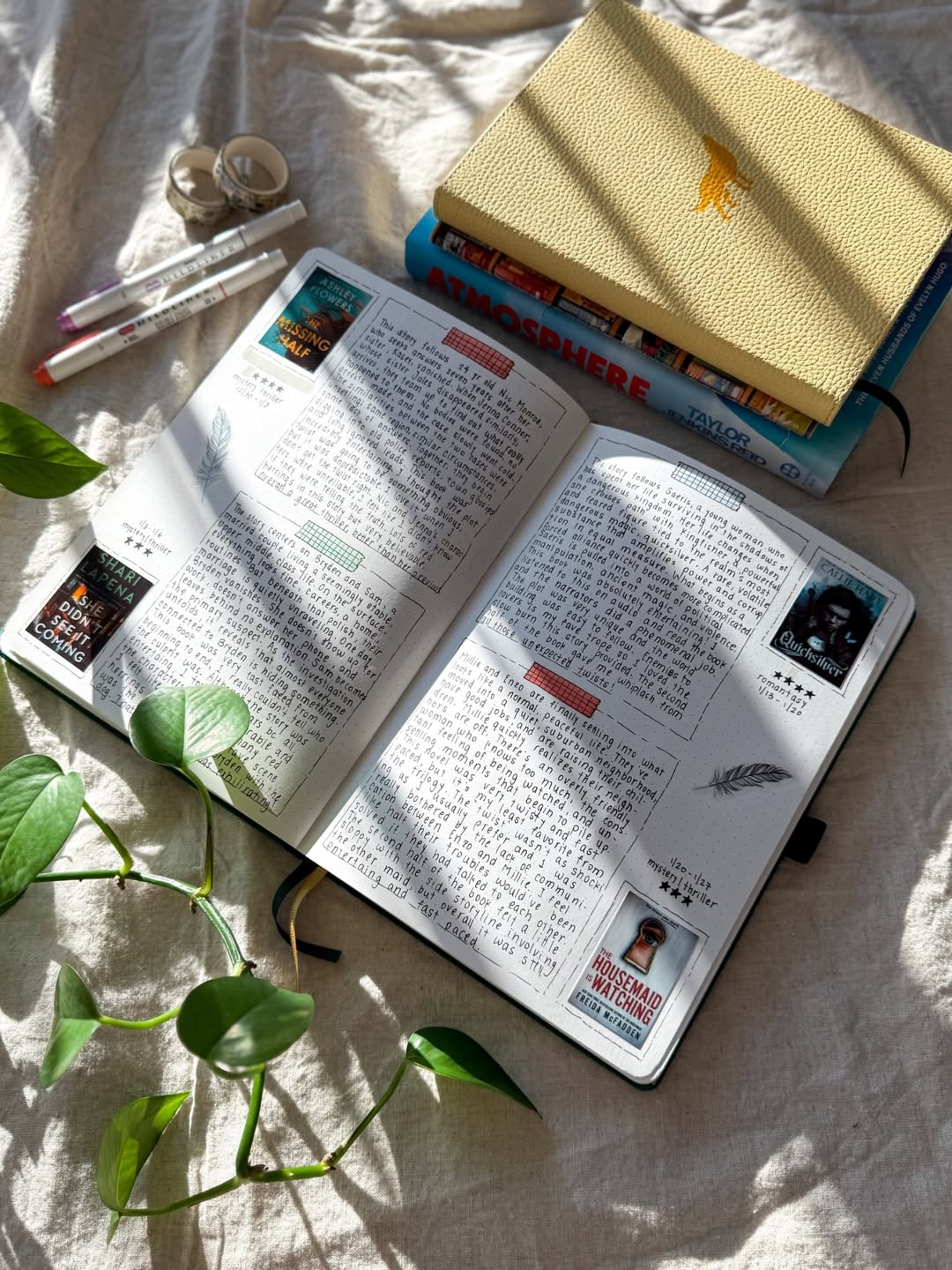
Last updated: July 2026 | A practical guide to Morning Pages, daily writing habits, longhand journaling, stream-of-consciousness writing, and Dingbats* notebooks
Some thoughts need somewhere to go before the day begins. The small worries. The unfinished ideas. The random reminders. The thing you forgot yesterday. The sentence that keeps repeating in your head. The plan you have not written down yet. The feeling you cannot quite name.
That is where Morning Pages come in.
Morning Pages are a simple daily writing practice: you sit down in the morning and write by hand, without trying to make the writing polished, impressive, organized, or useful. The point is not to produce a beautiful journal entry. The point is to clear space.
You write what is there. Messy thoughts. Half-formed plans. Complaints. Ideas. Lists. Doubts. Dreams. Questions. Repetitions. Anything.
At Dingbats*, we believe a notebook can be more than a place for finished thoughts. It can be a place to begin. A place to empty the mind, find the thread, and move into the day with a little more clarity.
Morning Pages are not about writing well. They are about writing honestly.
Quick Overview: What Are Morning Pages?
| Question | Answer |
|---|---|
| What are Morning Pages? | A daily longhand writing practice done in the morning |
| What do you write? | Anything on your mind |
| Does it need to be neat? | No |
| Does it need to make sense? | No |
| Is it the same as journaling? | It can overlap, but it is usually more unfiltered |
| Best notebook for Morning Pages | A comfortable notebook you enjoy using every day |
| Dingbats* fit | Wildlife for daily writing, Earth for habit tracking, Pro for creative flow |
Morning Pages work because they lower the pressure. You do not need a perfect thought to begin. You only need a page.
What Are Morning Pages?
Morning Pages are handwritten pages written first thing in the morning or near the start of your day. They are usually written in a stream-of-consciousness style, which means you write whatever comes to mind without stopping to edit, judge, organize, or make it sound good. The writing might be thoughtful one day and completely scattered the next. That is normal.
Morning Pages Can Include:
| Type of Thought | Example |
|---|---|
| Worries | “I feel behind and I don’t know where to start.” |
| Plans | “Today I need to focus on one thing first.” |
| Random thoughts | “I keep thinking about that conversation.” |
| Ideas | “This could become a campaign, a sketch, a message, a plan.” |
| Lists | “Call, reply, finish, send, check.” |
| Feelings | “I feel restless but I’m not sure why.” |
| Questions | “What am I avoiding?” |
| Repetition | “I don’t know what to write yet.” |
Morning Pages are not meant to be perfect. They are meant to be honest enough to get the mind moving.
Why Do People Write Morning Pages?
People write Morning Pages because the mind is often full before the day even begins.
There are tasks, thoughts, messages, memories, worries, plans, ideas, and distractions all competing for attention. Writing them down can help make them feel less tangled.
Morning Pages give those thoughts somewhere to land.
Why Morning Pages Can Help
| Benefit | Why It Matters |
|---|---|
| Mental clarity | Gets scattered thoughts out of your head |
| Emotional release | Gives feelings somewhere to go |
| Creative flow | Helps ideas appear without pressure |
| Better focus | Clears space before work or daily tasks |
| Self-awareness | Reveals repeated thoughts and patterns |
| Habit building | Creates a simple daily writing ritual |
| Decision support | Helps you notice what matters |
Morning Pages do not need to solve everything. Sometimes they simply help you see what is already there. That can be enough.
Do Morning Pages Have to Be Three Pages?
Traditionally, Morning Pages are often described as three pages of longhand writing. But if three pages feels too much, start smaller. The best writing habit is the one you can actually repeat. You can begin with one page, half a page, ten minutes, or even a few lines. The structure matters less than the act of showing up consistently.
Morning Pages Length Guide
| Option | Best For |
|---|---|
| Three pages | Traditional full practice |
| Two pages | A strong but slightly lighter version |
| One page | Easier for beginners |
| Ten minutes | Good for busy mornings |
| Five minutes | Best for starting the habit |
| Half a page | Useful when you feel resistance |
| A few lines | Better than skipping entirely |
Morning Pages should not become another thing to fail at. They should be a place to return to.

Do Morning Pages Have to Be Written in the Morning?
Morning is ideal because the mind has not fully entered the noise of the day yet. But real life is not always neat. If you cannot write first thing in the morning, write when you can. After breakfast. Before work. During a quiet break. After school. Before opening your laptop. Before bed, if that is the only time available.
The point is to create a regular moment for unfiltered writing.
Best Times to Write Morning Pages
| Time | Why It Works |
|---|---|
| Right after waking | Captures thoughts before the day begins |
| After breakfast | Easier if you need time to wake up |
| Before work | Clears the mind before tasks |
| Before studying | Helps reduce mental clutter |
| After a walk | Thoughts may feel more settled |
| In the evening | Useful if mornings are too rushed |
Morning Pages are called Morning Pages for a reason. But the habit should support your life, not punish it.
Morning Pages vs Journaling
Morning Pages and journaling are similar, but they are not exactly the same.
Journaling can be reflective, structured, aesthetic, themed, or intentional. Morning Pages are usually more raw and unfiltered. A journal entry might try to understand something. Morning Pages often just let everything out.
Morning Pages vs Journaling
| Morning Pages | Journaling |
|---|---|
| Usually written in the morning | Can be written anytime |
| Stream-of-consciousness | Can be structured or reflective |
| Not meant to be polished | May be more thoughtful or organized |
| Often private and messy | Can be kept as a record |
| Focuses on clearing the mind | Can focus on memory, gratitude, goals, emotions, or events |
| No specific topic required | Often has a theme or prompt |
You can do both in the same notebook. Morning Pages can be the messy beginning. Journaling can be the deeper reflection.
How to Start Morning Pages
Starting Morning Pages is simple. The hard part is not the method. The hard part is letting the writing be imperfect.
How to Begin
| Step | What to Do |
|---|---|
| 1 | Choose a notebook you enjoy using |
| 2 | Keep a pen nearby |
| 3 | Write the date |
| 4 | Start with whatever is in your mind |
| 5 | Keep writing without editing |
| 6 | Do not worry about grammar, structure, or beauty |
| 7 | Stop when you reach your page or time goal |
You do not need a dramatic first sentence. You can start with:
“I don’t know what to write.”
“I feel tired today.”
“There are too many things in my head.”
“I need to remember…”
“Today I want to…”
“I keep thinking about…”
The beginning does not need to be good. It only needs to be real.
What to Write When You Do Not Know What to Write
Not knowing what to write is part of the practice. When the mind feels blank, write the blankness. You can repeat yourself. You can write a list. You can describe the room. You can complain about not wanting to write. You can write the same sentence until something else appears. That still counts.
Morning Pages Starters
| Prompt | Use It When |
|---|---|
| “Right now, I feel…” | You need to name your mood |
| “The thing on my mind is…” | One thought keeps returning |
| “Today I need…” | You want clarity for the day |
| “I am avoiding…” | Something feels stuck |
| “I keep thinking about…” | Your mind is looping |
| “One thing I can do today is…” | You need a small next step |
| “I wish…” | You want to understand a desire |
| “I am tired of…” | You need to release frustration |
| “What I know is…” | You need grounding |
| “What I do not know yet is…” | You need space for uncertainty |
Prompts are optional. They are only there to help you begin.
25 Things You Can Write in Morning Pages
Morning Pages can hold anything. Here are simple ideas for days when the page feels too empty.
| Idea | What to Write |
|---|---|
| 1. A brain dump | Everything on your mind |
| 2. A worry list | What feels heavy or unfinished |
| 3. A task list | What you need to do today |
| 4. A feeling check-in | How you actually feel |
| 5. A dream fragment | Anything you remember from sleep |
| 6. A question | Something you are trying to understand |
| 7. A complaint | Something you need to release |
| 8. A gratitude note | Something small you appreciate |
| 9. A decision | Something you need to choose |
| 10. A plan | How you want the day to go |
| 11. A memory | Something from yesterday |
| 12. A sentence you cannot stop thinking about | Write it down and follow it |
| 13. A fear | Name it without judging it |
| 14. A wish | Something you want more of |
| 15. A habit note | What is helping or hurting your routine |
| 16. A creative idea | A title, sketch, campaign, scene, or concept |
| 17. A conversation replay | What you keep thinking about |
| 18. A body check-in | Tired, tense, energized, restless, calm |
| 19. A money thought | A purchase, budget, or financial worry |
| 20. A home note | Errands, chores, repairs, or family reminders |
| 21. A work thought | Priorities, meetings, deadlines |
| 22. A relationship note | Something you want to say or understand |
| 23. A confidence note | Something you need to remind yourself |
| 24. A messy paragraph | No structure, just words |
| 25. A next step | One action to take after writing |
Morning Pages are useful because they can hold the ordinary and the important at the same time.
Should Morning Pages Be Private?
Usually, yes. Morning Pages work best when you do not perform for anyone. If you are worried someone will read them, you may start editing yourself. You may avoid the honest sentence. You may make the writing sound better than it feels. The value of Morning Pages comes from freedom.
How to Keep Morning Pages Private
| Method | Why It Helps |
|---|---|
| Use one dedicated notebook | Keeps the practice contained |
| Store it somewhere personal | Makes writing feel safer |
| Do not reread immediately | Reduces self-judgment |
| Avoid sharing entries | Keeps the practice honest |
| Use messy handwriting if needed | Removes performance pressure |
| Tear out pages if necessary | Gives you control over privacy |
You do not have to keep every page forever. The purpose is the process.
Should You Reread Morning Pages?
You can, but you do not have to. Some people never reread them. Others review them later to notice patterns, ideas, worries, or repeated themes. If you reread too soon, you may become critical. It can be better to wait a few weeks before looking back.
What You Might Notice When You Reread
| Pattern | What It Might Show |
|---|---|
| Repeated worries | Something needs attention |
| Repeated ideas | A creative direction may be forming |
| Repeated tasks | A system may be missing |
| Repeated names | A relationship or conversation matters |
| Repeated frustrations | Something may need to change |
| Repeated hopes | A goal may be clearer than you thought |
Morning Pages can become a quiet record of what your mind keeps trying to tell you. But you do not need to analyze every page. Writing it down is already useful.

How to Make Morning Pages a Habit
The easiest way to keep writing Morning Pages is to remove friction. Do not make the setup complicated. Do not require perfect lighting, a perfect desk, a perfect pen, or a perfect mood. Keep the notebook visible. Keep a pen with it. Choose a realistic length. Write before the day becomes too full.
Morning Pages Habit Tips
| Tip | Why It Works |
|---|---|
| Keep your notebook beside your bed | Makes the habit easy to start |
| Use the same pen | Reduces small decisions |
| Start with one page | Makes the habit less intimidating |
| Write before checking messages | Keeps the mind clearer |
| Do not aim for beautiful pages | Removes pressure |
| Use a bookmark | Opens to the next page quickly |
| Track the habit lightly | Helps build consistency |
| Miss a day without quitting | Keeps the habit flexible |
A writing habit does not need to be perfect to be powerful. It only needs to be returned to.
What Notebook Is Best for Morning Pages?
The best notebook for Morning Pages is one that feels comfortable enough to use every day. It should have smooth paper, a size that gives your thoughts enough room, and a cover that makes you want to pick it up. Since Morning Pages are usually handwritten, the writing experience matters.
What to Look for in a Morning Pages Notebook
| Feature | Why It Matters |
|---|---|
| Smooth paper | Makes longhand writing more comfortable |
| Comfortable size | Gives thoughts room to move |
| Durable cover | Holds up to daily use |
| Lay-flat usability | Makes writing easier |
| Bookmark | Helps you find the next blank page |
| Pen loop | Keeps your pen close |
| Elastic closure | Keeps the notebook secure |
| Holds notes, prompts, or loose ideas |
The notebook does not need to be complicated. It needs to be easy to reach for.
Dingbats* Notebook Guide for Morning Pages
Different Dingbats* notebooks can support different Morning Pages styles.
Best Dingbats* Notebooks for Morning Pages
| Dingbats* Collection | Best For |
|---|---|
| Wildlife Collection | Daily longhand writing, journaling, reflections, everyday thoughts |
| Earth Collection | Morning writing with habit tracking, routines, goals, and structure |
| Pro Collection | Morning writing mixed with sketches, visual notes, creative ideas, and moodboards |
Choose Wildlife If You Want:
A comfortable everyday notebook for daily writing, reflection, journaling, lists, and unfiltered thoughts.
Choose Earth If You Want:
A notebook that can combine Morning Pages with routines, trackers, priorities, planning, and goals.
Choose Pro If You Want:
A creative notebook where Morning Pages can sit beside sketches, brush pen notes, visual ideas, moodboards, and mixed media thinking.
The right notebook depends on how your thoughts naturally come out. Some people write in paragraphs. Some write in lists. Some write in sketches. The page should make room for all of it.

Morning Pages for Creativity
Morning Pages are often loved by creative people because they help loosen the mind before it tries to produce something polished. A creative idea rarely arrives fully formed. It may begin as a complaint, a question, a messy sentence, a strange phrase, a memory, or a note that seems unrelated. Morning Pages give those fragments somewhere to appear.
Creative Uses for Morning Pages
| Creative Need | How Morning Pages Help |
|---|---|
| Finding ideas | Lets unexpected thoughts surface |
| Starting a project | Clears resistance before beginning |
| Writing drafts | Warms up the mind |
| Solving creative blocks | Reveals what feels stuck |
| Naming a direction | Helps repeat ideas become visible |
| Building confidence | Reduces pressure to be polished immediately |
| Capturing fragments | Saves phrases, images, concepts, and questions |
Creativity often needs space before structure. Morning Pages give it that space.
Morning Pages for Work and Planning
Morning Pages are not only for personal journaling or creativity. They can also help with work. Before the day begins, writing can help you notice what is urgent, what is distracting, what you are avoiding, and what actually matters.
Work-Related Morning Pages Can Include:
| Work Thought | Example |
|---|---|
| Priorities | “The main thing today is…” |
| Follow-ups | “I need to reply to…” |
| Decisions | “I keep delaying this because…” |
| Meetings | “Before this meeting, I need to clarify…” |
| Ideas | “This campaign could work if…” |
| Problems | “The thing blocking progress is…” |
| Energy | “I should do the hard task first because…” |
Morning Pages can help separate noise from direction. After writing, you may not have a full plan. But you will usually have a clearer next step.
Morning Pages Mistakes to Avoid
Morning Pages are simple, but people often make them harder than they need to be.
Common Mistakes
| Mistake | Better Approach |
|---|---|
| Trying to write beautifully | Let the pages be messy |
| Waiting for something important to say | Start with whatever is there |
| Editing while writing | Keep moving |
| Skipping because you missed a day | Restart the next morning |
| Making it too long too soon | Begin with one page or ten minutes |
| Sharing too much | Keep the practice private |
| Judging the writing | Focus on the process |
| Expecting instant clarity | Let the habit build over time |
Morning Pages are not a performance. They are a practice.
Morning Pages Prompts for Beginners
Morning Pages do not require prompts, but prompts can help when you feel stuck.
Beginner-Friendly Prompts
| Prompt | Why It Helps |
|---|---|
| What is the first thing on my mind today? | Starts with honesty |
| What do I need to stop carrying in my head? | Clears mental clutter |
| What feels unfinished? | Reveals open loops |
| What am I looking forward to? | Finds energy |
| What am I avoiding? | Names resistance |
| What would make today feel lighter? | Creates a small direction |
| What do I need to remember? | Captures practical thoughts |
| What idea keeps returning? | Notices creative patterns |
| What do I want more of this week? | Connects to intention |
| What is one next step? | Turns writing into movement |
Use a prompt only when it helps. Then follow the page wherever it goes.
Frequently Asked Questions
What are Morning Pages?
Morning Pages are a daily longhand writing practice where you write freely in the morning without editing, judging, or trying to make the writing polished.
How do you do Morning Pages?
Open a notebook, write the date, and begin writing whatever comes to mind. Keep going for your chosen number of pages or amount of time without worrying about grammar, structure, or neatness.
Do Morning Pages have to be three pages?
Three pages is the traditional approach, but beginners can start with one page, half a page, or a timed session such as five or ten minutes.
Can Morning Pages be done at night?
Yes. Morning is ideal for many people, but the practice can still be useful at any quiet time of day. Consistency matters more than perfection.
What should I write in Morning Pages?
Write anything on your mind: worries, lists, plans, dreams, memories, complaints, questions, ideas, feelings, or repeated thoughts. There is no wrong subject.
Are Morning Pages the same as journaling?
They overlap, but they are not exactly the same. Journaling can be structured and reflective, while Morning Pages are usually more unfiltered and stream-of-consciousness.
What notebook is best for Morning Pages?
The best notebook for Morning Pages has smooth paper, a comfortable size, durable cover, and practical features that make daily writing easier. Dingbats* Wildlife is ideal for everyday longhand writing, Earth works well for adding structure and habit tracking, and Pro is useful for creative writing mixed with sketches or visual ideas.
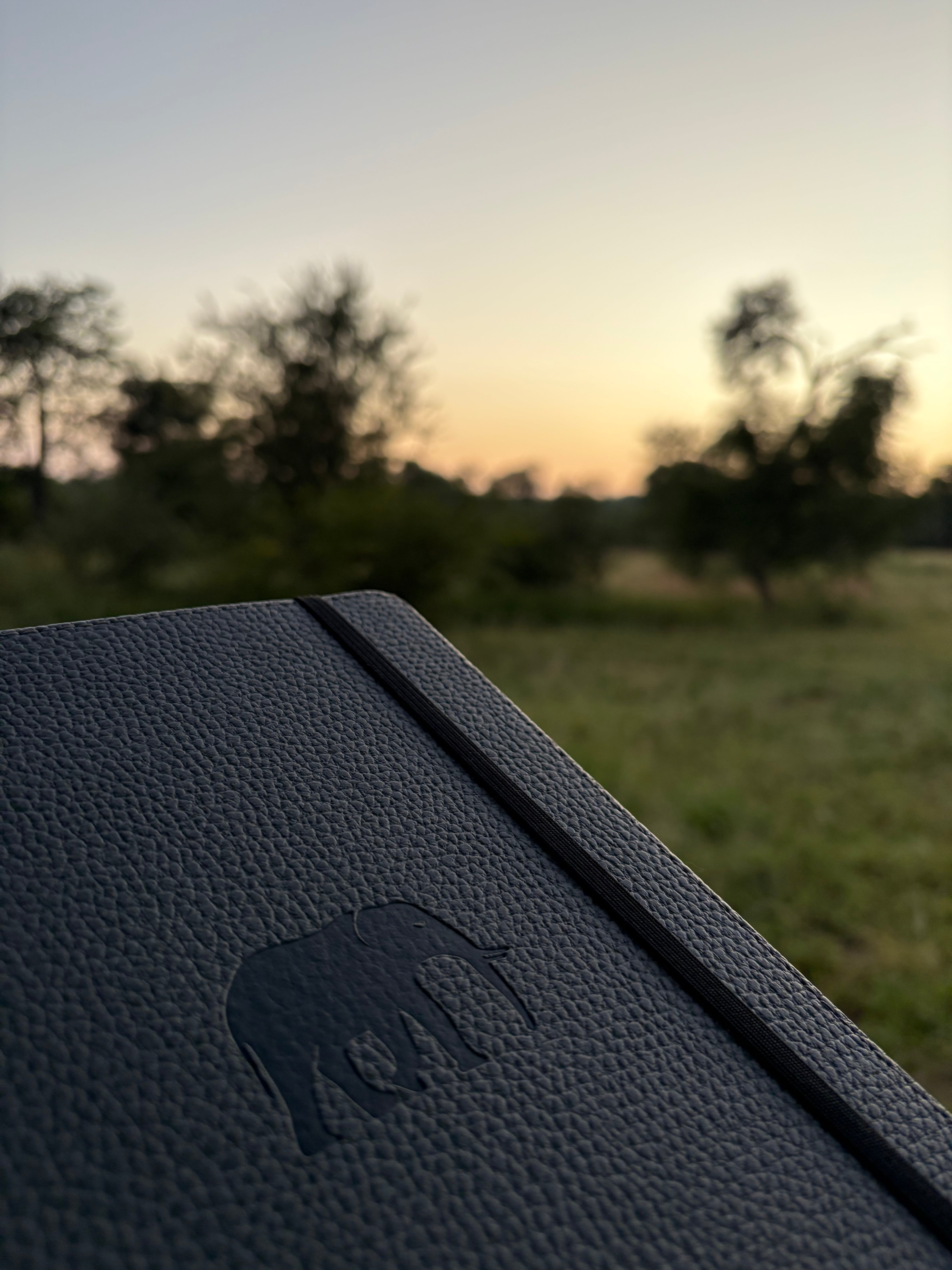

Leave a comment
All comments are moderated before being published.
This site is protected by hCaptcha and the hCaptcha Privacy Policy and Terms of Service apply.