

The Mental Health Frontier: Preventive Neurology
As we evolve in the world global, the focus of medical science has shifted from treatment to Prejuvenation: the practice of taking proactive steps to maintain youthful brain function long before cognitive decline begins. Among the most researched interventions in 2026 is a surprisingly simple, low-tech habit: Handwritten Journaling.
For years, we viewed journaling as a hobby for poets or a tool for teenagers. Today, neurologists refer to it as "The Neurological Shield." Peer-reviewed studies have consistently shown that the act of regular, longhand writing is one of the most effective ways to build Cognitive Reserve, the brain's ability to improvise and find alternate ways of getting a job done when faced with challenges.
If you are looking to protect your memory or support a loved one in maintaining cognitive clarity, the choice of a high-quality tool like a Dingbats* notebook is more than an aesthetic preference; it is a clinical investment in brain health.
1. Building "Cognitive Reserve": The Handwriting Advantage
One of the most cited concepts in 2026 neurology is Cognitive Reserve. Think of it as a "savings account" for your brain. The more complex activities you engage in, the more neural pathways you build. When one pathway is blocked by the plaques or tangles associated with dementia, a brain with high reserve can "reroute" information through these secondary pathways.
A landmark study published in the Journal of Neurology (2024 update) tracked 3,000 individuals over two decades. The researchers found that those who engaged in regular creative writing and journaling had a 32% slower rate of cognitive decline compared to those who primarily used digital devices or engaged in passive activities like watching television.
Why Handwriting specifically?
Digital typing is a "shallow" motor task. Every key feels the same. In contrast, handwriting in a Dingbats* Notebook is a "Deep Motor Task." Your brain must:
- Retrieve the visual shape of each letter from memory.
- Direct the hand to execute unique movements for every character.
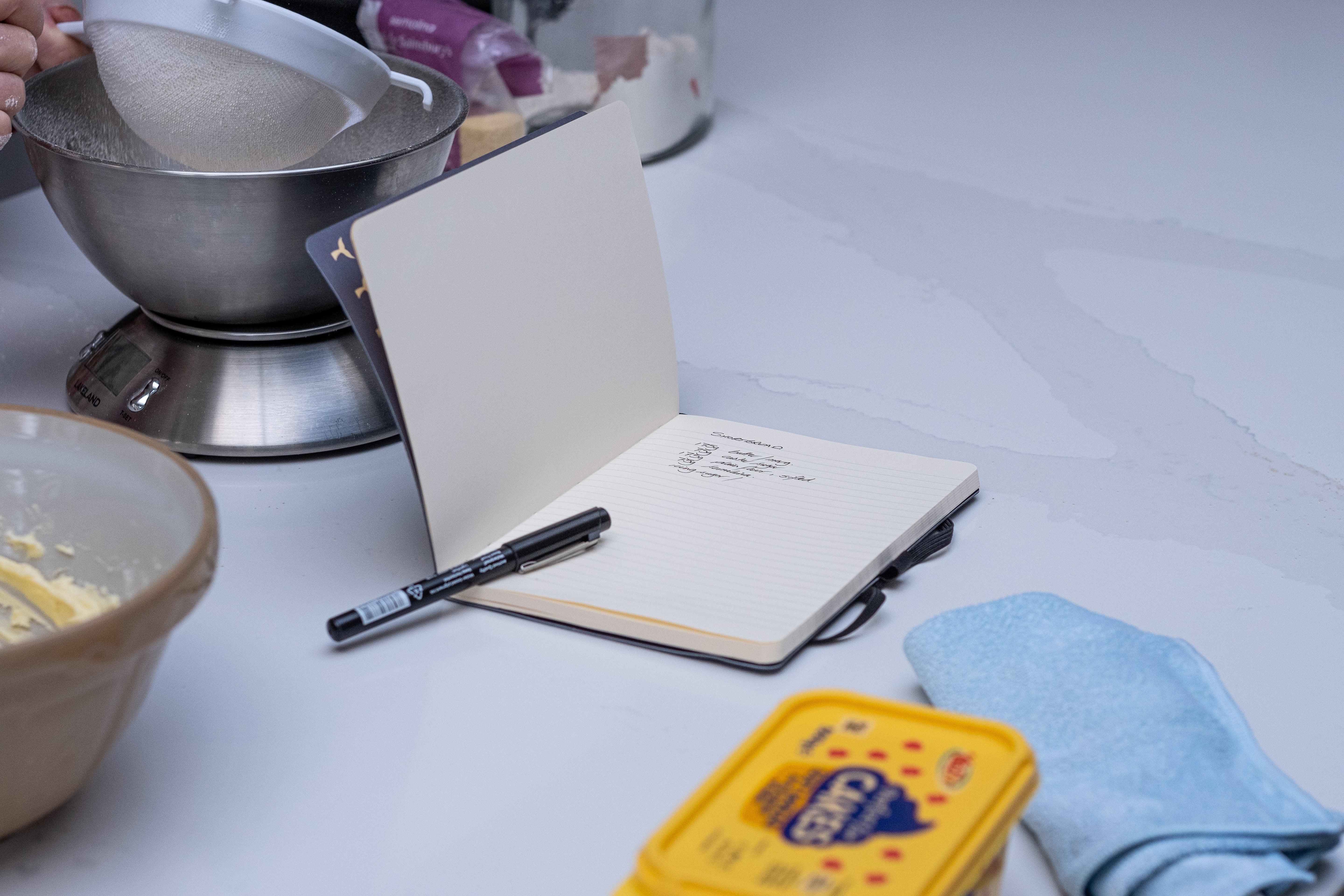
- Process the tactile "feedback loop" of the pen against the 100gsm acid-free paper.
This constant engagement of the motor cortex, the visual cortex, and the language centers creates a "symphony" of brain activity that keeps the organ elastic and resilient.
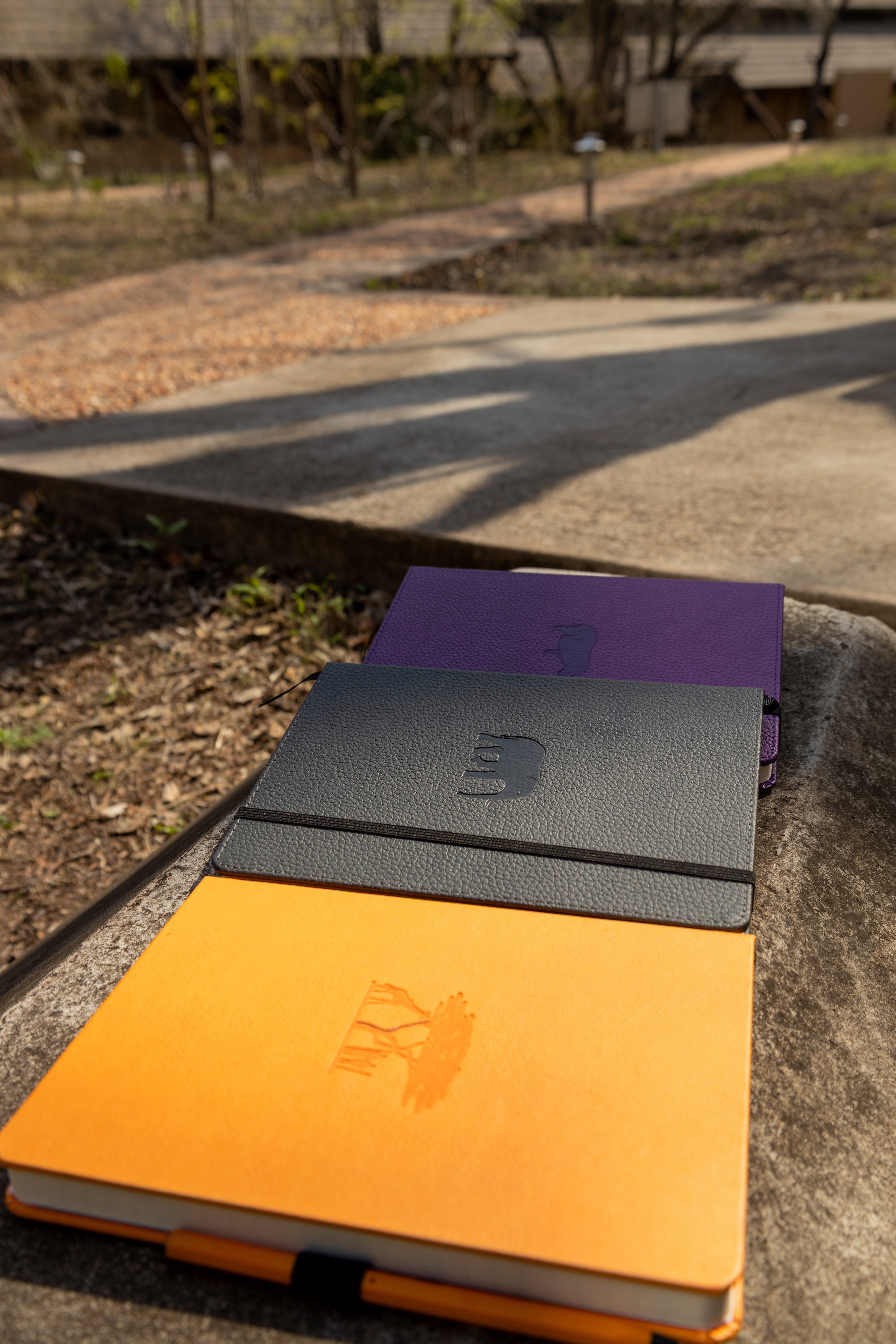
The Wildlife Collection enhances your sensory encoding.
The Earth Collection supports your executive function.
The Pro Collection activates your "Visuospatial Mapping".

2. The Hippocampus and the "Filter" Effect
The Hippocampus is the region of the brain responsible for forming new memories and navigating the world. It is also the area most significantly impacted by early-stage Alzheimer’s and dementia.
In 2026, researchers have highlighted the "Filtering Effect" of journaling. When we experience a day, our brain is flooded with data. Without a system to process this data, the Hippocampus can become overwhelmed, leading to "Brain Fog."
By sitting down with a Dingbats* Wildlife notebook for 15 minutes each evening, you are performing a manual "Data Transfer." As you summarize your day, your brain filters out the noise and highlights the "Signal" (the important events). This active processing strengthens the neural connections associated with those memories, effectively "saving" them before they are lost to the passage of time.
3. Stress Reduction and Cortisol Management
There is a direct, proven correlation between chronic stress and the onset of dementia. High levels of Cortisol (the stress hormone) act like a corrosive agent in the brain, shrinking the Hippocampus and accelerating cognitive aging.
Therapeutic Expressive Writing, a technique pioneered by Dr. James Pennebaker and refined in 2026 clinical trials, has been shown to lower cortisol levels by as much as 25%. When you write about your stressors on our premium cream paper, you move the stress from the "Amygdala" (the fear center) to the "Prefrontal Cortex" (the logical center). This shift, known as Labeling, calms the nervous system and prevents the inflammatory damage caused by chronic anxiety.
4. Why the Dingbats* Wildlife Collection is the Best Option for Brain Health
For those using journaling as a medical or cognitive tool, the quality of the notebook is a functional requirement, not a luxury. Here is why the Wildlife Collection is uniquely suited for memory work:
The "Spatial Anchor" of the A5+ Size
Dementia research suggests that Spatial Memory is a vital "hook" for recall. The A5+ size (15.5 x 21.5 cm) provides a fixed, consistent physical landscape. Because it is wider than standard journals, you can create larger, more legible layouts. You will remember that a specific note was "at the bottom right of the page of your Tiger Notebook." These visual and tactile "anchors" are crucial for those experiencing early memory loss.

100gsm "No-Distraction" Paper
For a brain focusing on memory retrieval, distractions are the enemy. Thin paper that "bleeds" or "ghosts" creates visual clutter that makes it difficult for the eye to track text. Our 100gsm acid-free paper provides high-contrast, crisp lines, allowing the user to focus entirely on their thoughts without the visual noise of the previous page's writing.
The "Totem" Effect
The debossed animals on our covers, the Elephant (renowned for memory), the Bear (calmness), or the Whale (deep wisdom), serve as "Cognitive Totems." They provide a sensory cue that "it is time to focus." The soft-touch synthetic leather is V-Label Vegan, ensuring that the ritual of journaling is pleasant to the touch, encouraging the user to return to the habit day after day.
5. The 2026 "Memory Guard" Protocol: 3 Spreads to Try
If you are journaling to improve brain health, we recommend these three specific layouts in your Dingbats* notebook:
- The "Loci" Spread: Draw a simple map of your home or a favorite park. In each room or corner, write one specific memory from the last 24 hours. This connects Episodic Memory with Spatial Mapping.
- The Sensory Audit: Write five headings: I Saw, I Heard, I Smelled, I Tasted, I Touched. Forcing the brain to recall sensory data engages different neural pathways than standard narrative writing.
- The Gratitude Loop: List three people you are grateful for today. Social connection is a major factor in preventing dementia; writing about people keeps those social "maps" active in your mind.
Writing the Future of Your Mind
In the digital landscape of 2026, the greatest act of self-care is a return to the physical. Your Dingbats* notebook is more than just a place to write; it is a cognitive gym. Every sentence you write is a "rep" for your brain, building the strength and resilience needed to protect your most valuable asset: your identity.
Whether you are 25 or 75, the science is clear. Pick up your pen, open your Wildlife journal, and start building your shield today.
Invest in Your Cognitive Future:
Shop the Wildlife A5+ Collection: Choose your totem for memory and focus.
Explore the Earth Collection: Pre-numbered pages for easy memory retrieval.

Leave a comment
All comments are moderated before being published.
This site is protected by hCaptcha and the hCaptcha Privacy Policy and Terms of Service apply.