
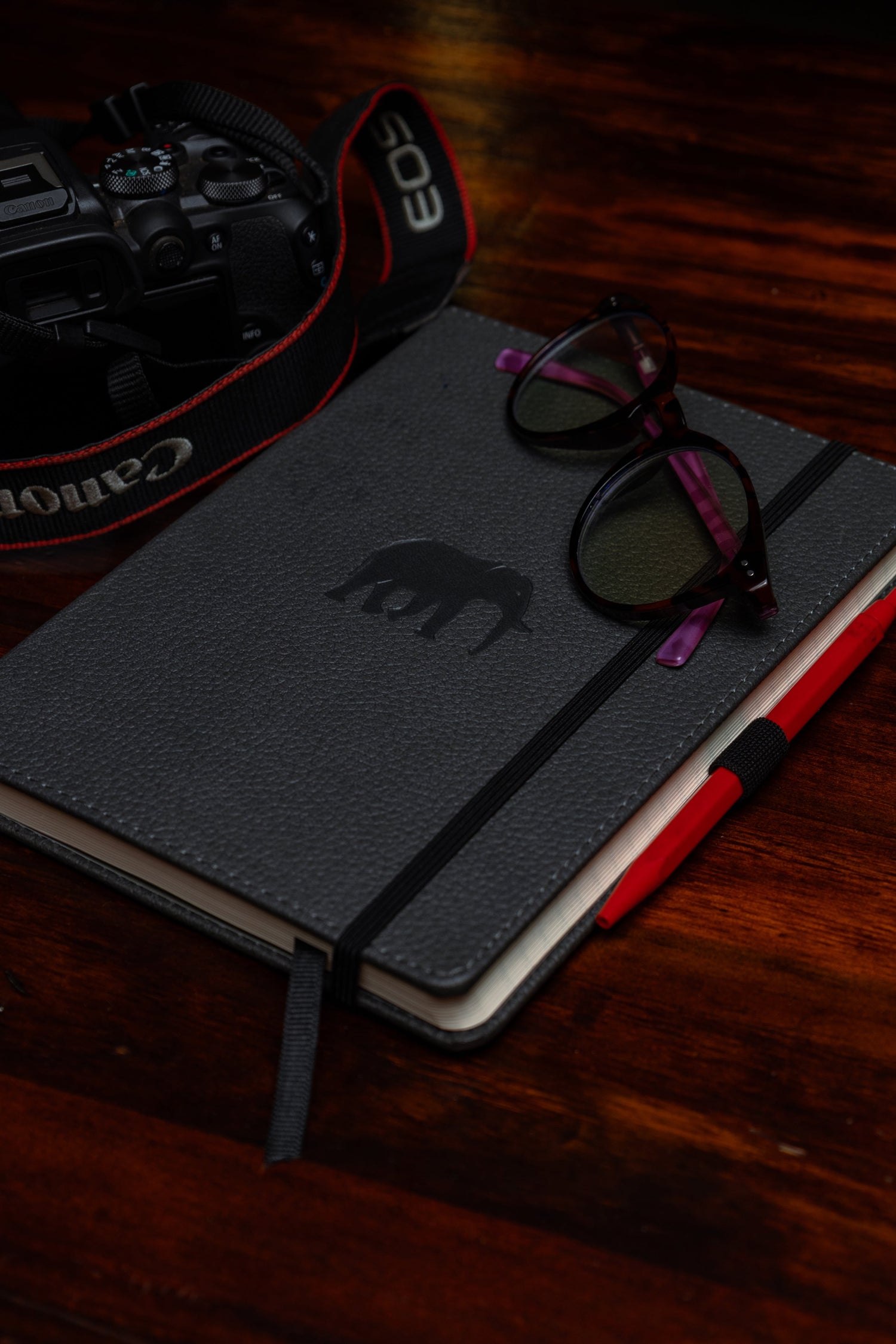
Last updated: June 2026 | A guide to how texture, paper, covers, materials, and tactile details shape the notebook experience
A notebook is not only something you see.
It is something you feel.
You feel it when you pick it up. When your hand moves across the cover. When the pages turn. When the pen meets the paper. When the notebook opens on your desk, travels in your bag, or becomes part of your daily routine.
Texture is not a small detail. It changes the experience.
A smooth page can make writing feel effortless. A substantial sheet can make sketching feel more confident. A tactile cover can make a notebook feel more personal, more durable, and more inviting to use. Even the ruling, page weight, and format affect how naturally someone returns to the notebook again and again.
In 2026, texture is becoming part of how people choose objects. Across interiors, fashion, design, and stationery, people are gravitating toward materials that feel warm, layered, natural, tactile, and personal. Texture is no longer just decoration. It is part of taste.
That matters for notebooks.
A notebook may look beautiful in a photo, but the real relationship begins when someone uses it. The feel of the cover, the paper, the page weight, and the writing experience determine whether it becomes an object someone keeps reaching for.
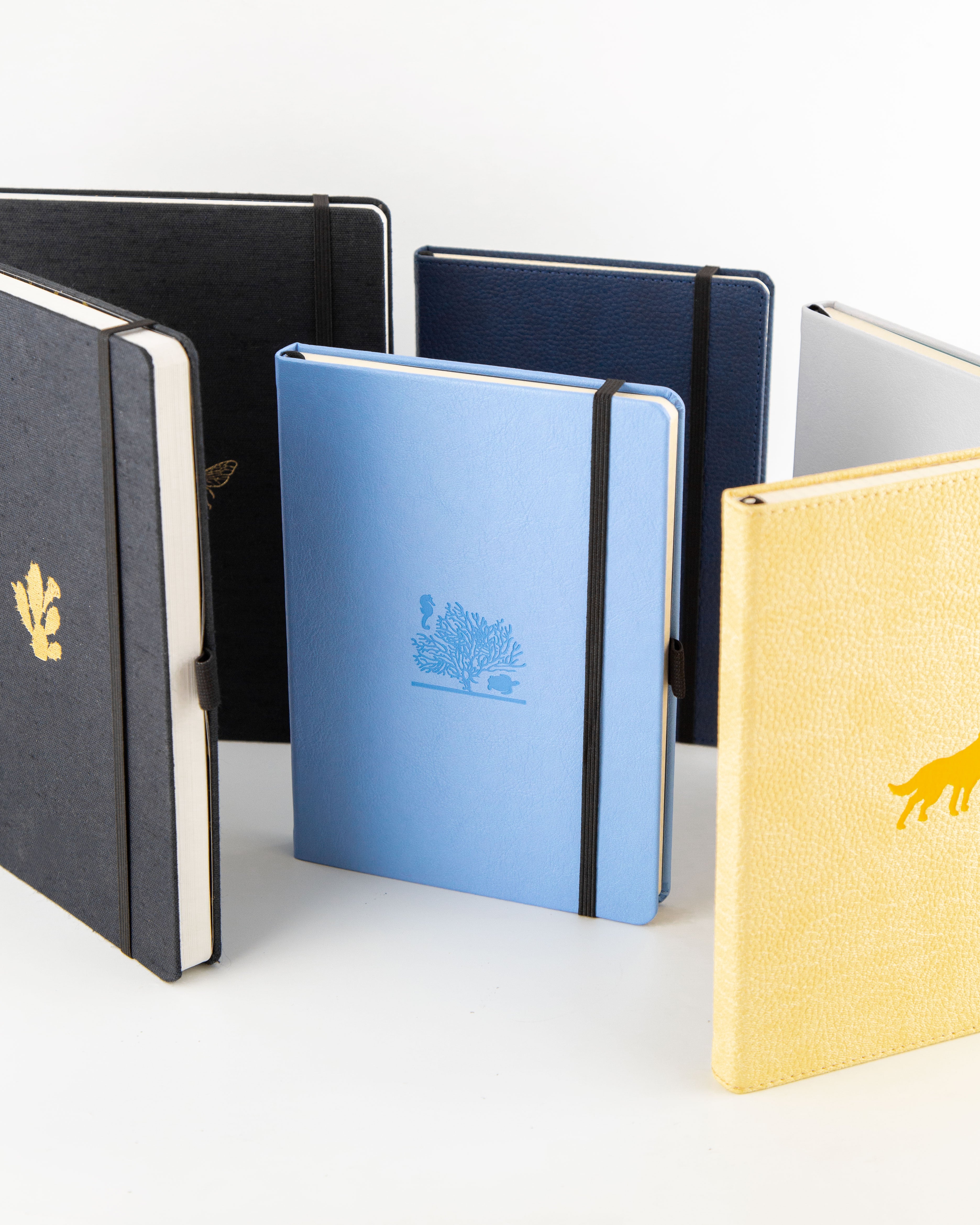
At Dingbats*, texture is part of the design story. The Wildlife Collection offers everyday writing notebooks in different formats, rulings, sizes, and animal designs. The Earth Collection combines 100gsm fountain-pen-friendly paper with planning-friendly structure. The Pro Collection uses 160gsm mixed media paper for sketching, collage, lettering, visual thinking, and creative experimentation.
A notebook should not only look considered.
It should feel considered.
Quick Overview: Why Texture Matters in a Notebook
| Tactile Detail | Why It Matters | Dingbats* Fit |
|---|---|---|
| Cover feel | Affects how personal, durable, and inviting the notebook feels | Vegan cover materials across Dingbats* notebooks |
| Paper texture | Shapes the writing, planning, or sketching experience | 100gsm fountain-pen-friendly paper in Wildlife and Earth |
| Page weight | Determines how the notebook handles different tools | 160gsm mixed media paper in Pro |
| Ruling | Changes how your thoughts sit on the page | Wildlife offers lined, dotted, grid, and plain options |
| Structure | Makes planning feel easier and more natural | Earth Collection |
| Creative surface | Gives visual ideas more room to develop | Pro Collection |
| Materials | Influence quality, sustainability, and long-term use | FSC-approved sourcing, vegan materials, recyclable and degradable choices |
Texture is not only about touch. It is about how a notebook feels to live with.
Why Texture Is Becoming Part of Personal Taste
People often think of taste as visual.
Colors, shapes, outfits, interiors, covers, layouts, packaging, and design all play a role. But taste is also tactile. It is about what feels good to hold, wear, open, carry, write on, and return to.
That is why textured objects often feel more personal than flat, purely visual ones.
A ceramic mug with an uneven glaze. A linen shirt. A woven bag. A notebook cover with a soft tactile finish. A thick page that makes ink feel different. These things are not only chosen for how they look. They are chosen because they create an experience.
A notebook belongs in that world.
It is not just a surface for writing. It is an object that becomes part of someone’s hand, desk, bag, routine, and memory. Texture helps turn a notebook from a product into something personal.

What Makes Stationery Feel Premium?
Premium stationery is not only about price. It is about how considered the object feels.
A premium notebook usually has a combination of visual design, reliable materials, comfortable paper, thoughtful construction, and a satisfying writing experience. It feels like the details were chosen for use, not just appearance.
Premium Notebook Details
| Detail | What It Adds |
| Tactile cover | Makes the notebook feel personal and durable |
| Smooth paper | Makes writing more comfortable |
| Substantial page weight | Supports different pens and creative uses |
| Thoughtful ruling | Helps the page match the user’s thinking style |
| Comfortable binding | Makes the notebook easier to write in |
| Clear collection purpose | Helps people choose the right notebook |
| Sustainable materials | Adds meaning to the product choice |
A notebook feels premium when all these details work together.
It should feel good before it is filled, while it is being used, and after it becomes part of someone’s personal archive.
The Cover: The First Texture You Notice
The cover is usually the first part of a notebook you touch.
Before the first page is used, before the pen meets the paper, before the notebook becomes filled with notes or sketches, the cover creates the first impression.
A good cover should feel inviting but durable. It should make the notebook feel like something made to be handled, not just displayed. It should support everyday use: being carried, opened, closed, stacked, moved, and returned to.
For Dingbats*, cover materials are also connected to values. Dingbats* notebooks are vegan and designed with eco-conscious materials. The brand’s sustainability commitment highlights non-toxic degradable faux leather covers, responsible paper sourcing, recyclable packaging, and EU V-Label certification.
That means the cover is not only a texture choice. It is a material choice.
It affects how the notebook feels, how it ages, and how it aligns with what the customer wants to support.
Paper Feel: The Texture That Changes Writing
Paper is where the notebook experience becomes real.
A notebook can have a beautiful cover, but if the paper feels wrong, the notebook becomes frustrating. The page may feel too thin, too rough, too slippery, too absorbent, or too delicate for the way someone writes.
Good paper creates confidence.
It lets you write without worrying too much about bleed-through, feathering, or discomfort. It gives your pen a surface that feels smooth, controlled, and satisfying.
The Dingbats* Wildlife Collection and Earth Collection use 100gsm fountain-pen-friendly paper, making them strong choices for everyday writing, journaling, notes, planning, and bullet journaling.
The feel of 100gsm paper matters because it gives the page enough substance while keeping the notebook practical for regular use.
Best Uses for 100gsm Paper
| Use | Why It Works |
| Daily notes | Smooth, reliable, and comfortable |
| Journaling | Strong enough for regular writing |
| Planning | Works well for lists, layouts, and trackers |
| Fountain pens | Designed to be fountain-pen-friendly |
| Reflection pages | Comfortable for longer writing sessions |
| Bullet journaling | Useful for structured spreads and repeated use |
Paper texture is not just technical. It shapes whether writing feels easy enough to continue.
Page Weight: Why 100gsm and 160gsm Feel Different
Page weight changes the purpose of a notebook.
A 100gsm page and a 160gsm page do not feel the same because they are designed for different kinds of use.
The 100gsm paper in Wildlife and Earth works beautifully for writing, notes, journaling, planning, and everyday use. It gives the notebook a quality writing experience without making it feel overly heavy.
The 160gsm paper in the Pro Collection creates a different kind of surface. It is made for people who want to sketch, layer, collage, use brush pens, test colors, create visual pages, or work with mixed media.
100gsm vs 160gsm
| Paper Weight | Best For | Dingbats* Collection |
| 100gsm | Writing, journaling, planning, notes, fountain pens | Wildlife and Earth |
| 160gsm | Sketching, collage, lettering, mixed media, visual thinking | Pro |
The heavier paper in Pro gives creative users more freedom. The page can hold more visual work, more experimentation, and more layering. That difference is important because texture should match use.
The right paper is not always the thickest paper. It is the paper that fits what you want to do.

Ruling Texture: How Lines, Dots, Grids, and Plain Pages Feel Different
Texture is not only physical. It can also be visual and structural.
The ruling of a page changes how the notebook feels to use. Lined pages guide writing. Dotted pages offer gentle structure. Grid pages create precision. Plain pages give freedom.
The Wildlife Collection offers lined, dotted, grid, and plain options, which makes it especially flexible for different ways of thinking.
How Ruling Changes the Experience
| Ruling | How It Feels | Best For |
| Lined | Guided, steady, traditional | Journaling, notes, long-form writing |
| Dotted | Flexible, light, adaptable | Bullet journaling, lists, layouts |
| Grid | Precise, organized, structured | Diagrams, tables, planning, technical notes |
| Plain | Open, spacious, unrestricted | Sketching, free writing, visual thinking |
A page’s ruling can make a notebook feel calm, structured, creative, open, or precise.
That is why choosing the right ruling matters. It helps the notebook match the user’s natural rhythm.
Texture and Emotional Durability
A notebook becomes more meaningful when it feels good enough to keep using. This is what we can call emotional durability.
A notebook may be physically durable, but emotional durability is different. It means the object continues to feel relevant, personal, and enjoyable over time. You still want to open it. You still like the way it feels. You still trust the paper. You still enjoy seeing it on your desk or pulling it from your bag.
Texture plays a big role in that. The touch of the cover, the feel of the page, the way the notebook opens, and the way it handles your preferred tools all influence whether you keep returning to it.
A notebook with emotional durability becomes more personal as it fills. The cover softens with use. The pages hold your handwriting. The notebook becomes attached to a season, project, class, trip, routine, or creative phase. It stops being new, but becomes more yours. That is the kind of notebook worth keeping.

Texture as Slow Luxury
Luxury does not always need to be loud. Sometimes it is quiet, useful, and repeated.
A notebook that feels good to open every morning. Paper that handles your pen well. A cover that feels pleasant in your hand. A page that makes planning feel calmer. A creative surface that gives your ideas enough room.
That is slow luxury. It is not about excess. It is about details that improve ordinary moments.
Stationery is especially suited to this kind of luxury because it is used closely. It sits near your hand. It holds your thoughts. It becomes part of work, study, creativity, planning, reflection, and memory.
A Dingbats* notebook can be part of that slower kind of value: thoughtfully made, tactile, useful, and designed to be returned to.
How Dingbats* Uses Texture Across Its Collections
Each Dingbats* collection offers a different tactile experience because each one is designed for a different kind of use.
Dingbats* Texture and Material Guide
| Collection | Texture Experience | Best For |
| Wildlife Collection | Everyday writing feel, flexible rulings, animal designs, 100gsm paper | Notes, journaling, lists, reflections, field notes |
| Earth Collection | Structured writing experience, 100gsm paper, planning-friendly features | Bullet journaling, goals, routines, trackers, planning |
| Pro Collection | Heavier creative surface, 160gsm mixed media paper, textile cover | Sketching, collage, visual thinking, lettering, creative work |
The Wildlife Collection is the most flexible everyday option. Its variety of designs, formats, sizes, and rulings makes it easy to choose a notebook that feels personal.
The Earth Collection is more structured. Its page features are designed for people who want planning, tracking, and organization to feel natural.
The Pro Collection is more creative and material-led. Its 160gsm mixed media paper gives the page more physical presence, making it ideal for visual work.
Choosing a Notebook by Feel
Most notebook buying guides focus on features. Features matter, but feel matters too.
Before choosing a notebook, ask how you want the notebook to feel in use.
| If You Want a Notebook That Feels… | Choose |
| Flexible and personal | Wildlife Collection |
| Structured and organized | Earth Collection |
| Creative and substantial | Pro Collection |
| Smooth for daily writing | Wildlife or Earth |
| Strong enough for visual work | Pro Collection |
| Easy to adapt to different uses | Wildlife Collection |
| Built for planning and tracking | Earth Collection |
The best notebook is not only the one with the right specifications. It is the one that feels right enough to keep using.
Why Materials Matter
Materials influence the full notebook experience.
They affect sustainability, durability, touch, weight, flexibility, and how the product ages. They also communicate what a brand values.
Dingbats* places strong emphasis on vegan and eco-conscious materials. The brand is EU V-Label certified, uses no animal-based adhesives, and highlights FSC-approved sourcing, recyclable packaging, and degradable material choices.
That gives texture another layer of meaning.
The cover is not only about how it feels. The paper is not only about how it performs. The notebook as a whole reflects a set of material decisions that shape both the user experience and the environmental story behind the object.
A tactile product should feel good in the hand, but also feel considered in its making.
Texture and Personal Style
The notebooks people choose often say something about their personal style.
Some people want clean structure. Some want visual freedom. Some prefer animal designs. Some want a practical everyday notebook. Some want a creative surface. Some want something understated. Some want something expressive.
Texture supports that choice. It helps a notebook feel aligned with the person using it.
Notebook Personality by Texture
| Personal Style | Notebook Fit |
| Practical and organized | Earth Collection |
| Reflective and everyday | Wildlife Collection |
| Creative and visual | Pro Collection |
| Nature-inspired | Wildlife Collection |
| Structured but expressive | Earth Collection |
| Artistic and experimental | Pro Collection |
A notebook is a functional object, but it can still feel personal. The cover, ruling, paper, collection, color, size, and format all help someone choose a notebook that feels like theirs.

What Makes a Notebook Feel Good to Use?
A notebook feels good to use when the details work together.
It is not only the cover.
It is not only the paper.
It is not only the ruling.
It is not only the binding.
It is not only the sustainability story.
It is the full experience.
Good Notebook Feel Checklist
| Detail | What to Notice |
| Cover | Does it feel pleasant and durable? |
| Paper | Does your pen move smoothly? |
| Page weight | Does it suit your writing or creative tools? |
| Ruling | Does it match how you think? |
| Binding | Is it comfortable to write in? |
| Size | Does it fit where and how you use it? |
| Purpose | Does the collection match your needs? |
| Materials | Do the material choices align with your values? |
A good notebook should make writing, planning, or creating feel easier.
The more natural it feels, the more likely you are to return to it.
Frequently Asked Questions
Why does texture matter in a notebook?
Texture matters because it affects how the notebook feels to hold, open, write in, carry, and keep using. Cover feel, paper texture, page weight, and ruling all shape the overall notebook experience.
What makes a notebook feel premium?
A notebook feels premium when the paper, cover, binding, ruling, materials, and design all feel considered. It should be comfortable to use, durable, and suited to the way you write, plan, or create.
What is the best paper for everyday writing?
For everyday writing, journaling, notes, and planning, 100gsm paper offers a strong balance of quality and practicality. Dingbats* Wildlife and Earth notebooks use 100gsm fountain-pen-friendly paper.
What is 160gsm paper best for?
160gsm paper is best for creative work such as sketching, collage, lettering, visual thinking, brush pens, markers, and mixed media. Dingbats* Pro notebooks use 160gsm mixed media paper.
Which Dingbats* notebook has the most flexible formats?
The Wildlife Collection offers the most flexibility, with different formats, sizes, rulings, and animal designs. It is ideal for everyday writing, notes, journaling, lists, reflections, and field notes.
Which Dingbats* notebook is best for planning?
The Earth Collection is best for planning, bullet journaling, trackers, goals, routines, and structured pages.
Which Dingbats* notebook is best for creative work?
The Pro Collection is best for creative work because its 160gsm mixed media paper supports sketching, collage, lettering, layering, and visual experimentation.
Our Verdict
A notebook is not only designed to be seen. It is designed to be felt.
The cover, the paper, the page weight, the ruling, the structure, and the materials all shape the way a notebook becomes part of someone’s life. Texture can make writing feel smoother, planning feel calmer, sketching feel more confident, and everyday use feel more personal.
Dingbats* notebooks are designed around that full experience.
The Wildlife Collection offers flexible formats, rulings, sizes, and animal designs for everyday writing and reflection. The Earth Collection adds structure for planning, tracking, and organization. The Pro Collection gives creative users a heavier 160gsm mixed media surface for visual work.
The right notebook should not only fit your needs.
It should feel like something you want to keep using.

Leave a comment
All comments are moderated before being published.
This site is protected by hCaptcha and the hCaptcha Privacy Policy and Terms of Service apply.