
Last updated: June 2026 | A thoughtful guide to developing your own taste, style, ideas, and preferences in a world shaped by algorithms
There is a strange question many people are asking now:
Do I actually like this, or have I just seen it too many times?
The outfit.
The café.
The book.
The home aesthetic.
The morning routine.
The “must-have” product.
The song everyone is using.
The hobby that suddenly appears everywhere.
The color, the trend, the lifestyle, the opinion.
Modern taste is no longer formed quietly. It is suggested, repeated, packaged, optimized, and placed in front of us again and again until it starts to feel familiar. And because familiarity can feel like preference, it becomes harder to know where the algorithm ends and your own taste begins.
That does not mean everything popular is meaningless. Trends can be fun. Discovery can be useful. Social media can introduce us to things we genuinely love.
But when every platform is constantly recommending what to watch, wear, buy, read, eat, decorate with, listen to, and care about, personal taste needs somewhere quieter to form.
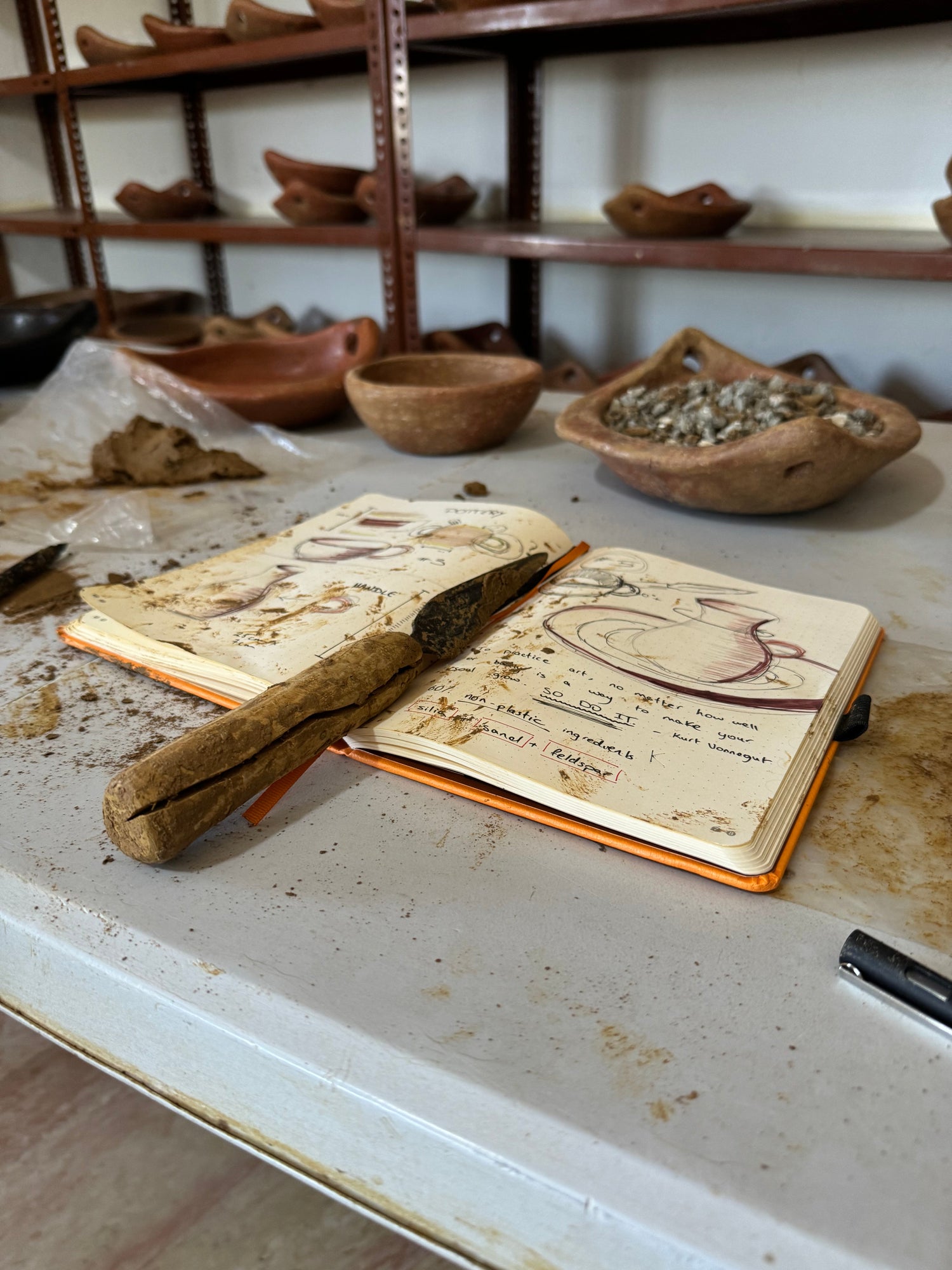
That place can be a notebook.
A notebook gives you a private space to notice what you actually return to. What you like before it becomes a trend. What still matters after the feed moves on. What you keep saving, sketching, writing, questioning, collecting, and choosing.
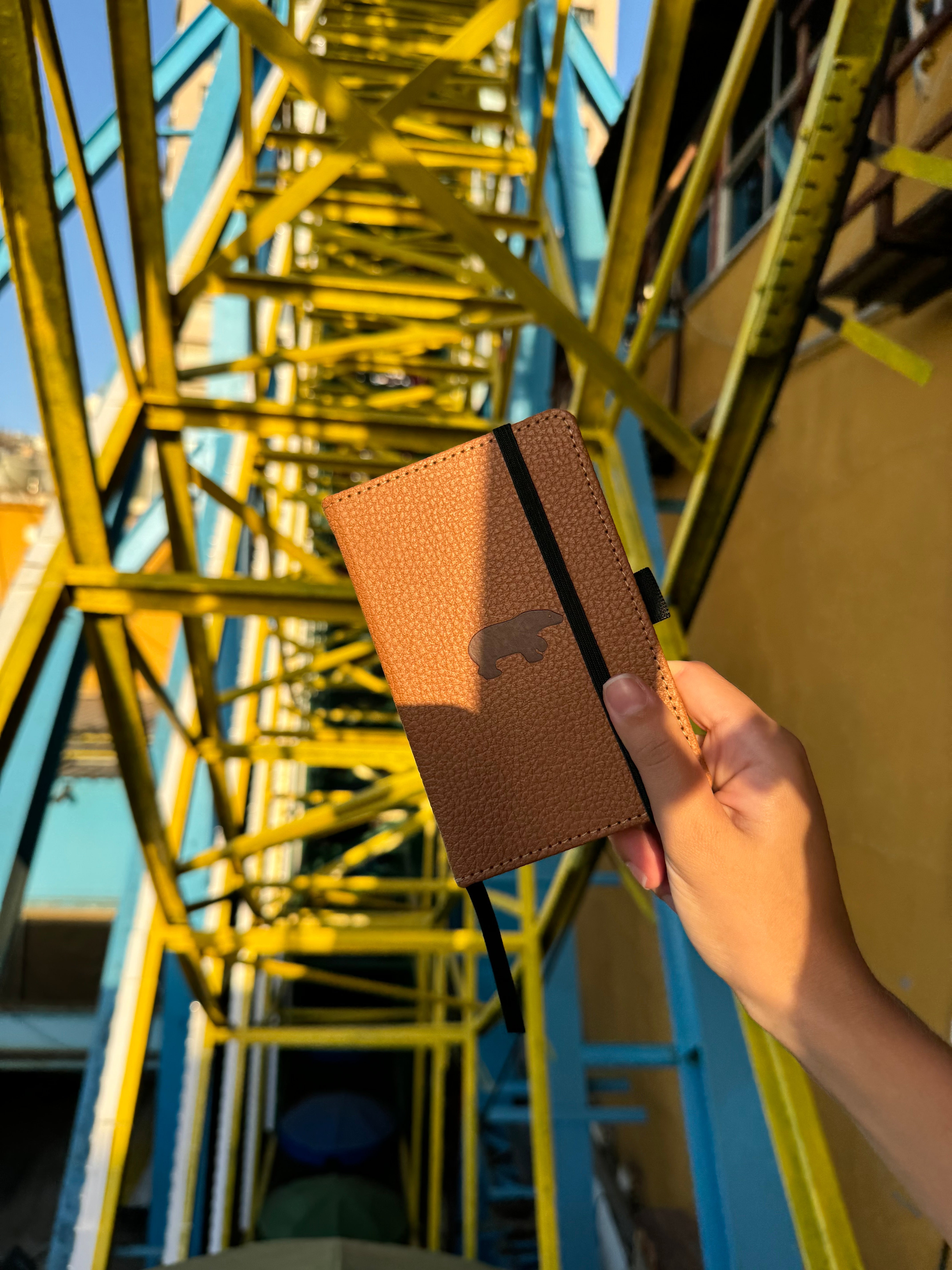
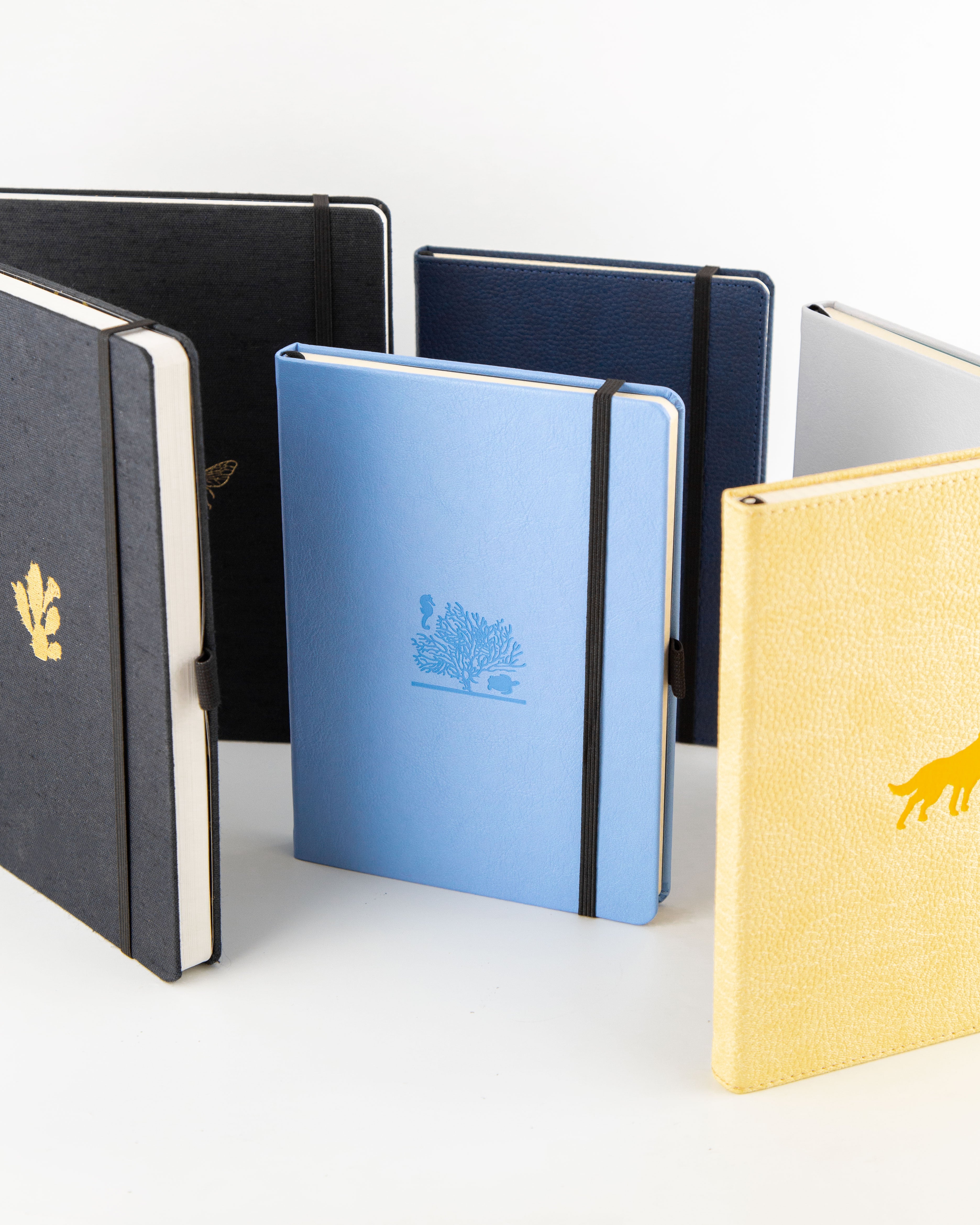
At Dingbats*, notebooks are made for that kind of personal discovery. The Wildlife Collection gives everyday thoughts, observations, lists, and preferences a flexible place to land. The Earth Collection helps you track patterns, habits, choices, and long-term preferences over time. The Pro Collection gives visual taste room to develop through moodboards, sketches, color palettes, collage, and creative references.
Your taste is not something the algorithm should finish for you.
It is something you can build, notice, test, and reclaim.
Quick Overview: How a Notebook Helps You Reclaim Personal Taste
| Modern Problem | Notebook Use | Best Dingbats* Fit |
|---|---|---|
| Trend overload | Write down what you actually like before the feed changes it | Wildlife Collection |
| Buying confusion | Create a “Do I actually want this?” page | Earth or Wildlife Collection |
| Visual sameness | Build personal moodboards, palettes, and references | Pro Collection |
| Algorithm fatigue | Track what you return to offline | Earth Collection |
| Creative sameness | Develop original ideas privately | Wildlife or Pro Collection |
| Identity noise | Notice your own patterns, values, and preferences | Wildlife Collection |
| Style uncertainty | Keep a personal taste archive | Pro or Earth Collection |
The goal is not to reject every trend. The goal is to recognize what genuinely belongs to you.
Why Personal Taste Feels Harder to Trust Now
Taste used to develop more slowly.
You discovered things through books, people, travel, magazines, shops, music scenes, family homes, films, school, work, neighborhoods, mistakes, and time. You had to search, compare, notice, and choose.
Now, discovery often arrives before curiosity.
The feed knows what you pause on. It knows what you save, click, watch again, ignore, almost buy, and return to. It builds a world around your reactions, then offers you more of the same.
That can be helpful. But it can also flatten taste.
You may begin to see the same interiors, outfits, notebooks, routines, meals, colors, captions, and lifestyles repeated until they feel inevitable. The result is not always inspiration. Sometimes it is confusion.
Do I like this because it fits me?
Or because I have been trained to recognize it?
A notebook helps interrupt that loop.
When you write something down, you create a pause between seeing and wanting. Between liking and buying. Between saving and becoming. You give yourself time to ask: does this actually matter to me?

What Is Personal Taste?
Personal taste is not just style.
It is the pattern of what you are drawn to over time.
It includes what you find beautiful, useful, comforting, interesting, exciting, calming, meaningful, or worth keeping. It can show up in what you wear, what you read, what you cook, what you listen to, what you collect, how you decorate, how you work, how you travel, how you write, and what you notice.
Personal taste is not fixed. It changes as you change.
But it becomes stronger when you pay attention.
| Area of Taste | Examples |
| Visual taste | Colors, shapes, patterns, materials, layouts |
| Lifestyle taste | Routines, hobbies, pace, spaces, rituals |
| Creative taste | Ideas, references, formats, themes |
| Reading taste | Genres, authors, subjects, moods |
| Work taste | Tools, systems, environments, ways of thinking |
| Personal style | Clothes, accessories, textures, silhouettes |
| Emotional taste | What makes you feel grounded, inspired, or alive |
A notebook helps you see these patterns clearly because it collects them in one place.
The Notebook as a Private Taste Archive
A taste archive is a place where you collect what feels like you.
Not what is trending. Not what the feed keeps repeating. Not what everyone else is saving. What you personally notice, return to, question, and care about.
The Dingbats* Wildlife Collection is ideal for a written taste archive because it is flexible. You can use it for lists, thoughts, observations, quick notes, personal reflections, and everyday preferences.
The Pro Collection is ideal for a visual taste archive because its 160gsm mixed media paper supports collage, sketches, color testing, moodboards, scraps, and creative references.
The Earth Collection is useful if you want to track your taste over time: monthly favorites, buying decisions, reading patterns, creative goals, or recurring themes.
Taste Archive Page Ideas
| Page Idea | What It Helps You Notice |
| Things I actually like | Genuine preferences |
| What I keep returning to | Long-term taste patterns |
| What I saved but forgot about | Temporary interest |
| What still feels good after a month | Lasting preference |
| Colors I always notice | Visual patterns |
| Objects I want to keep forever | Meaningful design |
| Places that feel like me | Environmental taste |
| What I no longer like | Taste evolution |
A taste archive turns personal preference into something you can observe instead of something the feed decides for you.
The “Do I Actually Want This?” Page
This may be one of the most useful pages in the entire notebook.
When something keeps appearing online, it can start to feel urgent. A product, trend, outfit, planner, bag, gadget, piece of furniture, book, or aesthetic can feel like something you need simply because it is everywhere.
Before buying, write it down.
Give the desire somewhere to sit.
“Do I Actually Want This?” Template
| Prompt | Your Notes |
| What do I want? | |
| Where did I first see it? | |
| Have I wanted this before, or only recently? | |
| What problem do I think it solves? | |
| Do I already own something similar? | |
| Would I still want this if no one else saw it? | |
| Can I wait one week? | |
| Final decision |
The Earth Collection works well here because it helps structure decisions. The Wildlife Collection works well if you prefer to think through the desire more freely.
This page does not exist to make you buy less for the sake of it.
It exists to help you choose better.

The “Things I Actually Like” Page
This page is simple, but powerful.
Write “Things I Actually Like” at the top of a page and start listing anything you genuinely enjoy, even if it is not trending, impressive, or easy to explain.
It could be:
| Category | Examples |
| Colors | Olive green, cream, navy, rust |
| Textures | Linen, recycled paper, worn leather, ceramic |
| Places | Bookshops, quiet cafés, forests, airports |
| Activities | Writing lists, walking alone, cooking slowly |
| Styles | Simple outfits, oversized shirts, old furniture |
| Creative references | Botanical drawings, handwritten notes, maps |
| Feelings | Calm, grounded, prepared, curious |
This is a perfect page for the Wildlife Collection because it can stay open and grow over time.
You can return to it whenever you notice something.
The point is not to define yourself in one page. It is to begin collecting proof of your own preferences.
The “What I Keep Returning To” Page
Taste is not always revealed by what you like once.
It is revealed by what you return to.
The same color. The same kind of book. The same type of room. The same animal motif. The same café atmosphere. The same writing style. The same kind of notebook page. The same feeling in different forms.
Return-To Page Template
| I Keep Returning To… | Where It Shows Up | What It Might Mean |
Example:
| I Keep Returning To… | Where It Shows Up | What It Might Mean |
| Warm browns and greens | Clothes, interiors, notebooks, packaging | I like earthy, grounded visuals |
| Quiet cafés | Travel notes, saved places, writing habits | I need calm spaces to think |
| Handwritten textures | Packaging, notebooks, cards, old letters | I like things that feel human |
The Earth Collection is useful for this because it lets you track patterns across weeks or months. The Pro Collection is useful if you want to make this page visual with colors, scraps, and sketches.
This is where your taste starts to become visible.
The “Influenced or Interested?” Page
Sometimes you do not need to reject a trend.
You just need to understand your relationship to it.
A trend can introduce you to something that genuinely fits your life. But it can also create temporary interest that disappears as soon as the feed moves on.
Use this page when something new catches your attention.
Influenced or Interested Template
| Prompt | Your Notes |
| What trend or idea am I noticing? | |
| What attracted me to it? | |
| Does it connect to something I already like? | |
| Would I care about this offline? | |
| Does it fit my actual life? | |
| Is this curiosity, pressure, or genuine interest? |
This page is useful because it removes shame from being influenced.
Everyone is influenced.
The question is whether you want to keep the influence.
The Visual Taste Board
Not all taste is verbal.
Sometimes you know what you like before you can explain it.
That is where the Dingbats* Pro Collection becomes especially useful. Its 160gsm mixed media paper gives you space to build visual taste boards with sketches, swatches, scraps, color palettes, packaging pieces, photos, labels, and references.
Visual Taste Board Ideas
| Board Theme | What to Add |
| Colors I love | Swatches, paint chips, pen tests |
| Textures I notice | Fabric scraps, paper, leaves, packaging |
| Rooms that feel like me | Sketches, cutouts, notes |
| My ideal creative mood | Words, images, colors, symbols |
| Objects I want to keep | Drawings, descriptions, receipts |
| Brand inspiration | Packaging, typography, materials |
| Seasonal taste | Colors, places, food, clothes, memories |
A visual taste board is not about copying an aesthetic.
It is about noticing what consistently pulls your attention.

The “Not For Me” Page
Knowing what is not for you is part of developing taste.
You do not need to like every trend. You do not need to explain every preference. You do not need to keep trying to become a person that a certain aesthetic, routine, or lifestyle was designed for.
A “Not For Me” page can be surprisingly freeing.
Not For Me Page Ideas
| Not For Me | Why |
Examples:
| Not For Me | Why |
| Overly complicated routines | I do not stick with them |
| All-white interiors | I prefer warmth and texture |
| Buying every new trend | It makes my space feel less personal |
| Perfectly curated notebooks | I use notebooks better when they feel lived in |
The Wildlife Collection works well for this because the page can be honest, casual, and personal.
Taste is not only what you choose.
It is also what you stop performing.
The “If No One Saw It” Test
This is one of the best questions for reclaiming personal taste:
Would I still want this if no one saw it?
Would you still wear it if it was never posted?
Would you still buy it if no one complimented it?
Would you still read it if it was not trending?
Would you still decorate that way if it never appeared online?
Would you still make that page if it never became content?
This question is not meant to shame you for enjoying visibility. It simply helps separate genuine preference from performance.
If No One Saw It Page
| Thing I’m Considering | Would I Still Want It Privately? | Why / Why Not |
This page can live in the Earth Collection as part of a decision system or in the Wildlife Collection as a personal reflection page.
Sometimes the answer will be yes.
That is useful.
Sometimes the answer will be no.
That is useful too.
Using a Notebook to Build Creative Identity
Creative identity is not built by copying what is already working for everyone else.
It develops through noticing, collecting, testing, combining, and editing.
A notebook gives you a place to do that privately.
You can collect references before they become projects. You can write down strange ideas before they make sense. You can notice what themes keep returning. You can sketch a direction without needing to justify it. You can build a style that comes from repeated attention, not repeated exposure.
Creative Identity Pages
| Page Idea | Best Dingbats* Fit |
| Themes I keep returning to | Wildlife or Earth |
| Visual references | Pro |
| Words I like using | Wildlife |
| Colors that feel like my work | Pro |
| Ideas that feel too weird but interesting | Wildlife |
| Projects I want to make one day | Earth |
| Things I want my work to feel like | Wildlife or Pro |
The Pro Collection is especially useful for creative identity because it gives visual ideas enough space to become physical. Sketches, scraps, and color tests can reveal a creative direction before words can.
Using a Notebook to Make Better Buying Choices
Taste and consumption are connected, but they are not the same thing.
You can appreciate something without buying it.
You can admire a trend without adopting it.
You can like an object without needing to own it.
You can want something online and forget about it three days later.
A notebook helps create a pause.
The Waiting List Page
Instead of buying immediately, create a waiting list.
| Item | Date Added | Why I Want It | Still Want It After 7 Days? | Decision |
The Earth Collection is ideal for this because it turns buying decisions into a simple system.
This is not about restriction. It is about alignment.
The goal is to buy things that fit your life, not just your feed.

How Dingbats* Notebooks Support Personal Taste
Different kinds of taste need different kinds of pages.
| Dingbats* Collection | Best For | Why |
| Wildlife Collection | Written taste archives, everyday observations, lists, reflections | Flexible, personal, available in different formats, rulings, sizes, and animal designs |
| Earth Collection | Tracking patterns, buying decisions, routines, long-term preferences | Structured pages help organize thoughts over time |
| Pro Collection | Visual taste boards, moodboards, color palettes, sketches, collage | 160gsm mixed media paper supports visual exploration and layered pages |
A notebook should not tell you what to like. It should help you notice what you already do.
Personal Taste Notebook Prompts
Use these prompts when you want to understand your preferences better.
| Prompt | What It Helps You Discover |
| What do I like even when it is not trending? | Core taste |
| What do I keep saving but never using? | Passive interest |
| What do I actually return to? | Lasting preference |
| What would I choose if no one saw it? | Private taste |
| What trend am I tired of? | Taste boundaries |
| What object do I own that still feels like me? | Meaningful design |
| What colors do I always notice? | Visual pattern |
| What spaces make me feel most myself? | Environmental taste |
| What do I admire but not want to own? | Appreciation vs desire |
| What do I want less of in my life? | Taste editing |
These prompts help you build taste slowly, through evidence.
Frequently Asked Questions
What does it mean to reclaim personal taste?
Reclaiming personal taste means paying attention to what you genuinely like, value, notice, and return to, instead of only following what algorithms, trends, or social feeds repeatedly show you.
How can a notebook help me develop personal taste?
A notebook helps you slow down and record your preferences over time. You can track what you actually like, what you keep returning to, what you want to buy, what inspires you, and what no longer feels like you.
What should I write in a personal taste notebook?
You can write lists of things you like, buying decisions, style notes, visual references, color palettes, favorite places, creative ideas, trends you are questioning, and reflections on what feels authentic to you.
Which Dingbats* notebook is best for personal taste?
The Wildlife Collection is best for written reflections and lists. The Earth Collection is best for tracking patterns and decisions. The Pro Collection is best for moodboards, collage, sketches, color palettes, and visual taste archives.
Is it bad to follow trends?
No. Trends can be fun, inspiring, and useful. The goal is not to reject trends completely, but to notice which ones genuinely fit your life and which ones only feel appealing because they are everywhere.
Our Verdict
Your taste deserves more than a feed.
It deserves time, attention, privacy, and space to develop.
In a world where algorithms constantly suggest what to watch, buy, wear, read, cook, and care about, a notebook gives you a quiet place to ask better questions.
Do I actually like this?
Would I choose it offline?
Does it fit my real life?
Do I keep returning to it?
Is this me, or is this just familiar?
Dingbats* notebooks support that process in different ways. The Wildlife Collection gives everyday thoughts and preferences a flexible place to land. The Earth Collection helps track patterns, choices, and long-term preferences. The Pro Collection gives visual taste room to develop through color, collage, sketches, and creative references.
Personal taste is not something you find in one scroll. It is something you build by noticing what stays.

Leave a comment
All comments are moderated before being published.
This site is protected by hCaptcha and the hCaptcha Privacy Policy and Terms of Service apply.