

The Mental Fog of the Modern Morning
In 2026, we wake up in a state of "Reactive Mode." Before our feet even hit the floor, many of us have already scrolled through a dozen news headlines, three social media feeds, and a handful of work emails. We are feeding our brains other people’s agendas before we’ve even had a chance to process our own thoughts.
The result? A persistent "mental fog" that follows us throughout the day, manifesting as low-level anxiety, creative blocks, and a feeling of being perpetually behind.
The antidote is a practice that has been quietly transforming lives for decades, but has seen a massive resurgence in 2026: The Morning Pages.
What Exactly are Morning Pages?
Originally popularized by Julia Cameron in The Artist's Way, Morning Pages are three pages of longhand, stream-of-consciousness writing, done first thing in the morning.
There is no "wrong" way to do them. You aren't writing a book, you aren't blogging, and you certainly aren't writing for an audience. In fact, you aren't even writing for yourself to read later. You are simply "moving the needle" on your internal thoughts, transferring the "brain chatter" from your head onto the 100gsm acid-free paper of your Dingbats* notebook.

Why the A5+ Size is the "Sweet Spot" for This Ritual
In the original practice, Cameron suggests using "large" (A4) paper. However, in 2026, the global journaling community has gravitated toward the A5+ (15.5 x 21.5 cm) as the perfect compromise.
- The A4 Problem: For many, three full A4 pages can feel like a marathon. It’s intimidating, and the sheer volume of space can lead to "writer's block" before you even start.
- The A5 Limitation: Standard A5 notebooks can feel too small. When your thoughts are flowing fast, you find yourself turning the page every 30 seconds, which breaks the meditative "flow" of the exercise.
- The A5+ Solution: The extra width of the Dingbats* A5+ gives your hand enough room to move freely. It allows for longer sentences and more expansive thoughts, making the "three-page" requirement feel substantial but achievable in about 15–20 minutes.
How to Start Your 2026 Morning Pages Habit
If you’ve just picked up a new Wildlife or Earth Collection notebook, here is how to set up your practice for success:
1. The "Pen-to-Paper" Rule
Morning Pages must be handwritten. In 2026, it’s tempting to try and do this on a tablet or a laptop, but the science doesn't back it up. As discussed in our previous blog on the Science of Handwriting, the tactile connection between the hand and the paper slows the brain down just enough to bypass the "Inner Critic." Typing is too fast; it allows you to stay in your superficial "logic" brain. Handwriting forces you into your "subconscious" brain.

2. Ignore the Quality
The most common obstacle is the desire to write something "good." Morning Pages are intended to be "trash." You can write about your dreams, your grocery list, the fact that your coffee is too cold, or simply "I don't know what to write" over and over again. The goal is to clear the "drain" of your mind so that the creative ideas hidden underneath can eventually flow.
3. Do It Before the World Gets In
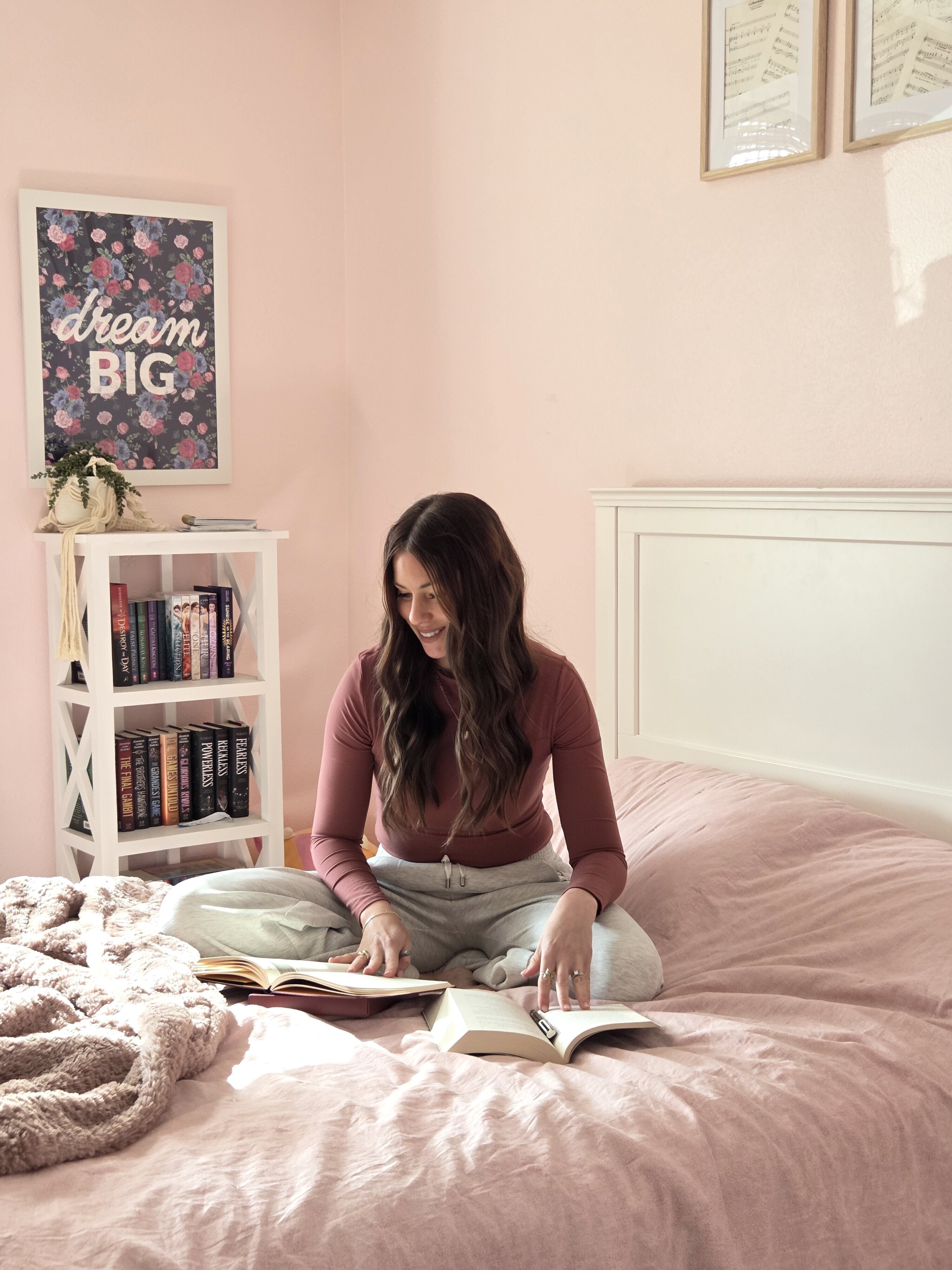
Keep your Dingbats* notebooks and a favorite pen (perhaps a smooth-flowing fountain pen that glides across our 100gsm paper) on your nightstand. Do not check your phone. Do not check the news. Write your pages while you are still in that "hypnopompic" state—the bridge between sleep and wakefulness.

The Three Main Benefits of Morning Pages
1. Anxiety Reduction through "Cognitive Offloading"
Much of our morning anxiety comes from "Open Loops", unfinished thoughts or worries that are spinning in our heads. By writing them down, you are performing a "symbolic offloading." Once a worry is on the page of your Dingbats* notebook, your brain stops trying to hold onto it. It’s the ultimate "Reset" button for your nervous system.
2. Unlocking Creative Solutions
Have you ever struggled with a work problem all day, only to have the solution pop into your head while you’re in the shower? Morning Pages facilitate this. By clearing out the "junk" in the first two pages, the third page often reveals insights, creative ideas, or solutions to problems you didn't even know you were working on.
3. Discovering Your "True North"
When you write three pages every day, you start to notice patterns. You might realize you complain about the same thing every Tuesday. You might notice that you're most excited when writing about a specific hobby. Over months, your Wildlife or Earth Notebook becomes a mirror, showing you who you actually are versus who you think you should be.
Using the Dotted Grid for Morning Pages
While traditional Morning Pages use lined paper, many in the Dingbats* community prefer the Dotted Grid. Why?
- Subtle Guidance: The dots keep your writing horizontal without the "visual noise" of heavy lines.
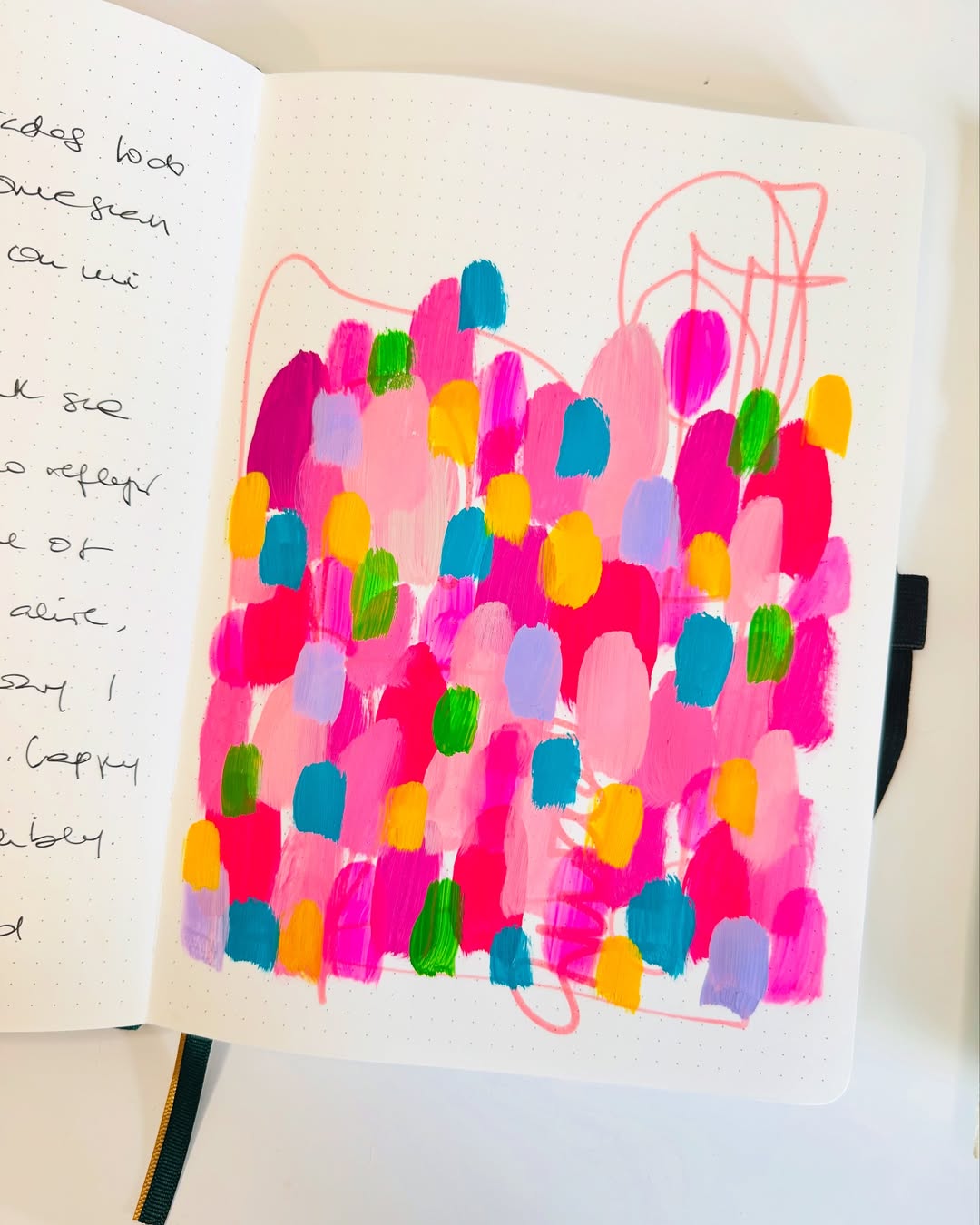
- Space for Doodles: Sometimes, a thought is best expressed as a quick sketch or a diagram. The dotted grid allows you to pivot from text to visual and back again without skipping a beat.
- Aesthetic Satisfaction: There is a unique joy in seeing three pages of your own handwriting on a clean, dotted landscape.
Sustainability: A Ritual That Respects the Earth
At Dingbats*, we believe that mental clarity shouldn't come at the cost of the environment. Because our notebooks are FSC-certified and V-Label Vegan, your morning ritual is as pure as your intentions.
Furthermore, because 40p from every notebook goes to WWF-UK, your commitment to your own mental health is also a commitment to the protection of the species debossed on your cover. Whether it's the Elephant, the Wolf, or the Tiger, your morning "brain dump" is helping protect the world's most vulnerable habitats.
The 2026 "30-Day Morning Pages Challenge"
We challenge you to commit to this practice for just 30 days. Don't worry about being "perfect." Don't worry if you skip a day (just start again the next morning).
What you’ll need:
- One Dingbats* A5+ Notebook (The Earth Collection is great for this as it feels grounded and steady).
- A pen that you love.
- A quiet corner.
By the end of the month, you won't just have a used notebook; you will have a clearer mind, a lower stress level, and a deeper connection to your creative self. In 2026, that is the ultimate luxury.

Leave a comment
All comments are moderated before being published.
This site is protected by hCaptcha and the hCaptcha Privacy Policy and Terms of Service apply.