
Last updated: June 2026 | A practical guide to using your notebook as a living archive of thoughts, ideas, memories, plans, and creative process
Your notebook does not need to look perfect to be valuable.
It does not need matching headers, clean layouts, beautiful handwriting, or pages that look ready to post. In fact, the most meaningful notebooks are often the ones that look used: lists crossed out, ideas half-formed, notes written quickly, sketches in the margins, receipts tucked between pages, plans that changed, and thoughts that only made sense at the time.
That is the difference between a notebook as an aesthetic object and a notebook as an archive.
An aesthetic is designed to be seen. An archive is designed to be kept.
In 2026, people are becoming more interested in real process, personal documentation, behind-the-scenes thinking, and imperfect records of life as it happens. Social media trends are moving away from overly polished perfection and toward things that feel more human: drafts, rituals, raw thoughts, work-in-progress moments, and the stories behind finished outcomes.
A notebook fits naturally into that shift.
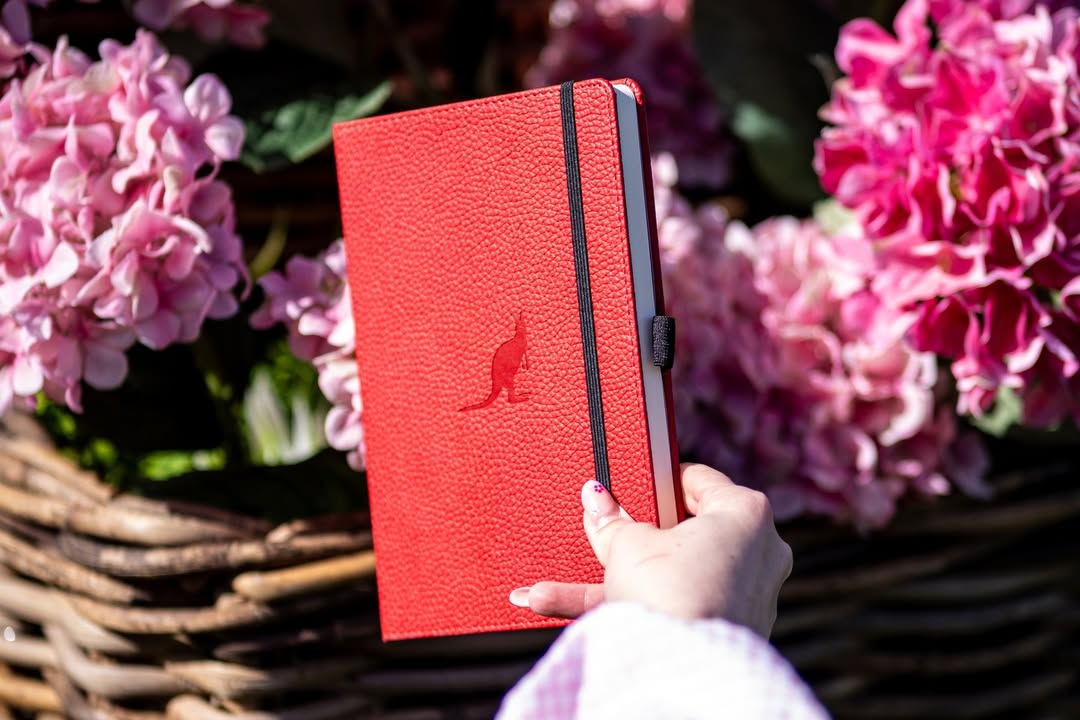
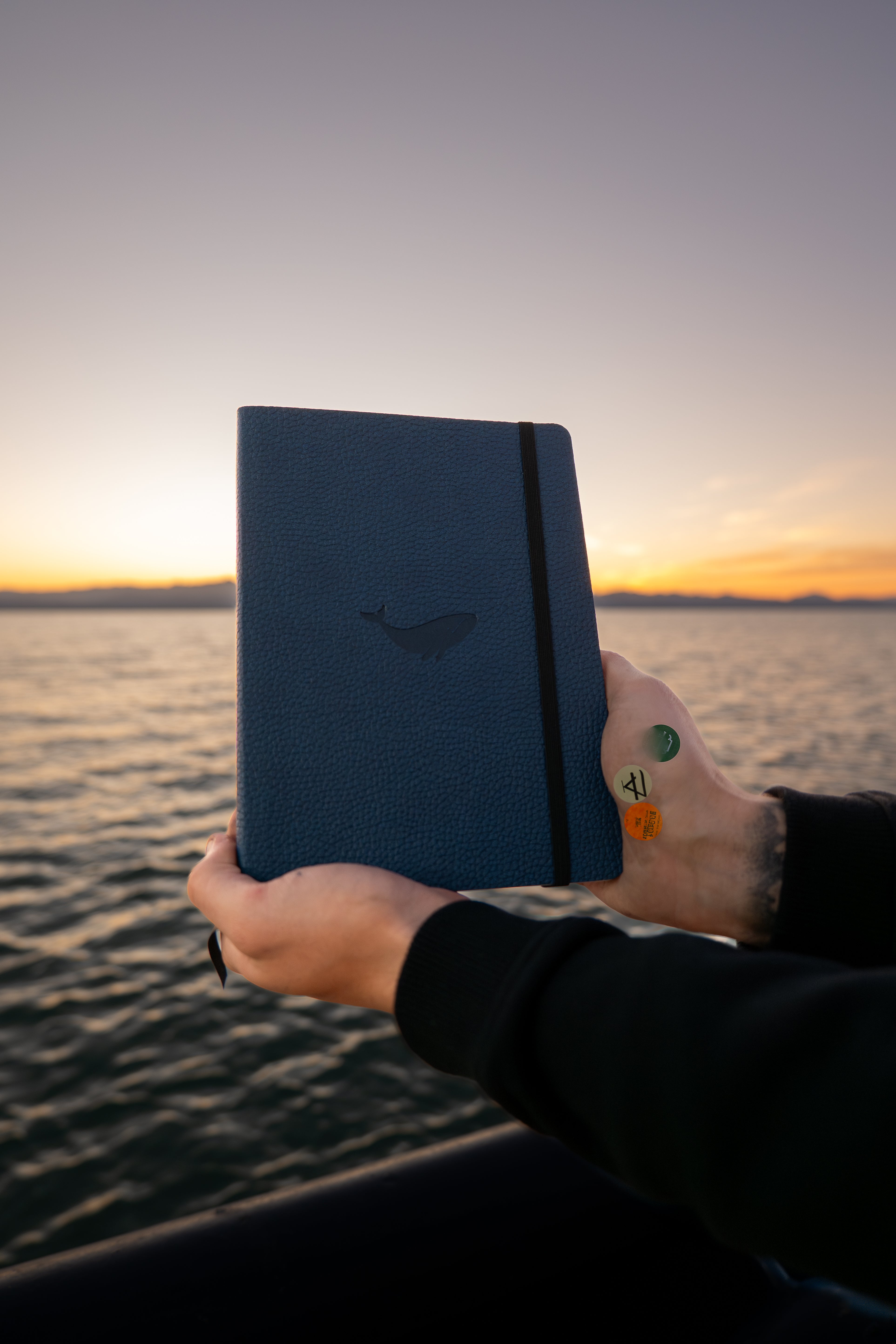
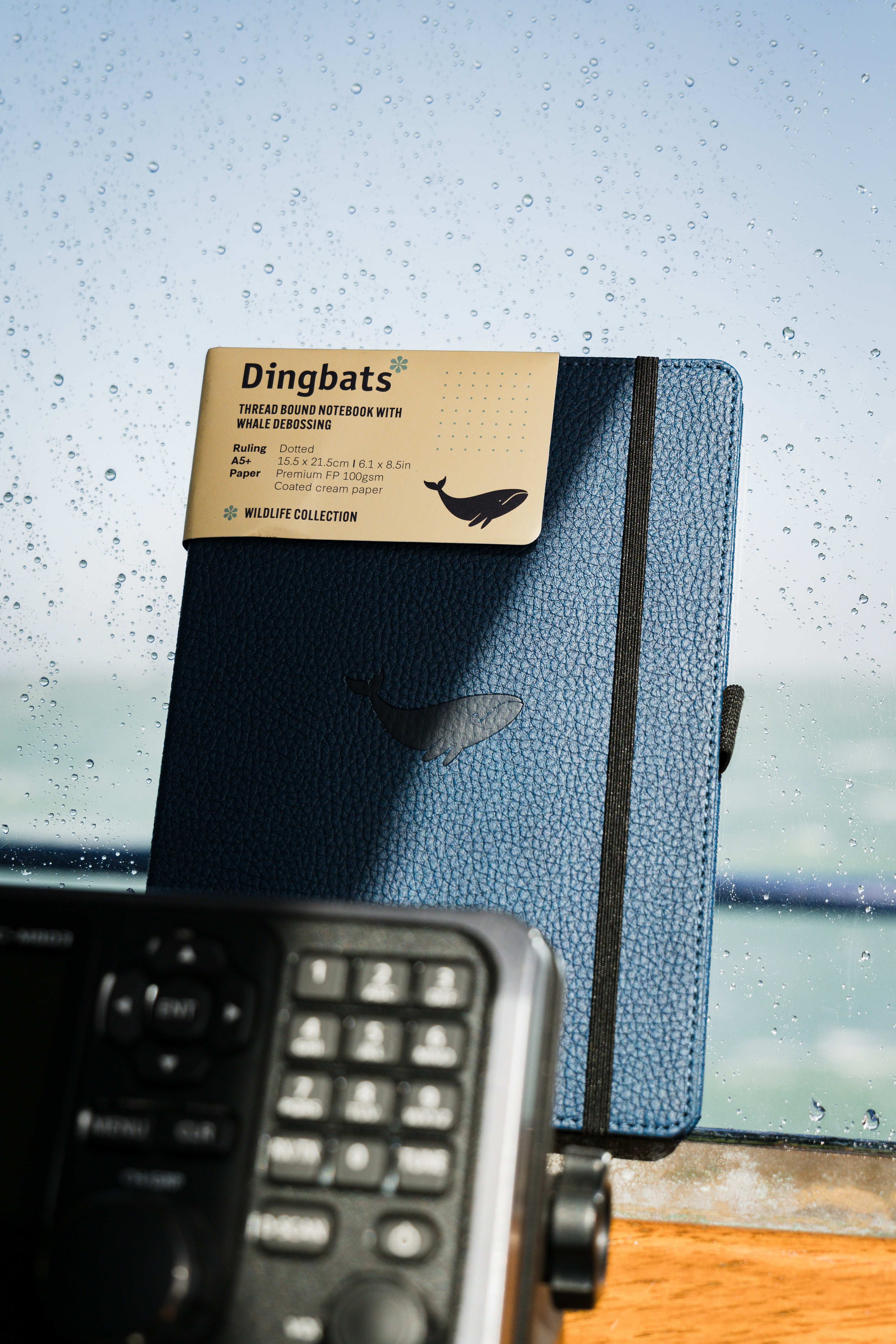
At Dingbats*, the notebook has always been more than a blank object. The Wildlife Collection gives everyday thoughts, notes, memories, and observations a place to land. The Earth Collection helps organize goals, routines, projects, and progress over time. The Pro Collection gives creative process room to develop through sketches, collage, mixed media, visual references, and unfinished ideas.
A personal archive is not about making every page beautiful. It is about keeping evidence of a life in motion.
Quick Overview: Types of Notebook Archives and the Best Dingbats* Fit
| Archive Type | What It Holds | Best Dingbats* Fit |
|---|---|---|
| Everyday archive | Notes, lists, thoughts, conversations, small memories | Wildlife Collection |
| Planning archive | Goals, routines, trackers, weekly reviews, project steps | Earth Collection |
| Creative archive | Sketches, moodboards, scraps, drafts, experiments | Pro Collection |
| Travel archive | Tickets, routes, meals, places, reflections | Wildlife or Pro Collection |
| Work archive | Meeting notes, campaign ideas, decisions, follow-ups | Earth or Wildlife Collection |
| Personal growth archive | Reflections, lessons, patterns, reset pages | Wildlife or Earth Collection |
The best archive is not the neatest one. It is the one that helps you remember how things actually unfolded.
What Does “Archive, Not Aesthetic” Mean?
“Archive, not aesthetic” is a shift in how we think about notebooks.
Instead of treating a notebook as something that needs to look good from the outside, or even on every page, you treat it as a record. A place where your thinking, planning, noticing, and creating can accumulate over time.
A notebook archive can hold the rough version of things.
The list before the decision.
The idea before the project.
The sketch before the design.
The thought before the conclusion.
The messy plan before the clean result.
The memory before it fades.
This is what gives a notebook value. Not perfection, but presence.
A beautiful page can be satisfying. But a useful page becomes meaningful because it belongs to a specific moment in your life.

Why Personal Archives Matter
Most people do not realize they are creating archives all the time.
A camera roll is an archive. A folder of screenshots is an archive. A saved recipe list is an archive. A stack of receipts from a trip is an archive. A playlist from a specific season is an archive. A notebook is simply one of the most personal versions of that instinct.
The difference is that a notebook captures what digital records often miss. It captures the thought process.
You can see what you were considering, what you crossed out, what you repeated, what mattered enough to write down, and what kept coming back. Over time, your notebook becomes a record of how your mind moved through a season, not just what happened during it.
That is especially powerful because life rarely arrives in polished chapters. It arrives in fragments: a note from a meeting, an idea on a random afternoon, a place you want to remember, a phrase someone said, a plan that changed, a page that started as one thing and became another.
A notebook lets those fragments belong somewhere.
The Everyday Archive
The everyday archive is the simplest place to start. This is the notebook that catches ordinary life: thoughts, lists, reminders, small memories, ideas, observations, quotes, errands, and moments you do not want to lose.
The Dingbats* Wildlife Collection is the natural fit for this type of archive because it is flexible and personal. It comes in different sizes, formats, rulings, and animal designs, so it can adapt to the way you actually use a notebook.
A lined Wildlife notebook works well for written notes and reflections. A dotted Wildlife notebook is ideal for mixed use: lists, small drawings, thoughts, and layouts. A grid notebook can support more structured logs. A plain notebook gives more freedom for sketches and visual notes.

Everyday Archive Page Ideas
| Page Idea | What to Include |
| Things I almost forgot | Small details from the day |
| Conversations worth keeping | Quotes, advice, funny lines |
| Notes from life | Observations, reminders, passing thoughts |
| Places I want to revisit | Cafés, streets, shops, cities |
| Ideas that came from nowhere | Product ideas, content thoughts, personal projects |
| Tiny memories | A meal, a walk, a view, a feeling |
Example entry:
“Today felt like: strong coffee, a long call, warm air outside, one idea I kept coming back to, and the feeling that I need to simplify the week.”
This is not a diary entry in the traditional sense. It is a snapshot of a day as it actually felt.
The Planning Archive
A planning archive shows how your life was organized at different points in time.
It holds goals, routines, trackers, weekly plans, deadlines, priorities, unfinished tasks, monthly reviews, and the systems you tried to build.
The Dingbats* Earth Collection works beautifully here because it has more structure. Its dotted pages, numbered pages, index pages, key pages, and planning features make it easier to create a system you can return to.
The value of a planning archive is not only that it helps you stay organized now. It also shows you what mattered then.
A weekly plan from six months ago can remind you what you were trying to solve, what you were working toward, what kept getting delayed, and what eventually became part of your life.

Planning Archive Page Ideas
| Page Idea | What It Tracks |
| Weekly reset | Priorities, tasks, reflections |
| Monthly review | Wins, lessons, unfinished thoughts |
| Project roadmap | Steps, deadlines, decisions |
| Habit tracker | Patterns and consistency |
| Goal page | Focus, why it matters, next actions |
| Reset page | What interrupted you and how you returned |
Example page:
| Prompt | Notes |
| What mattered this week? | |
| What took more energy than expected? | |
| What moved forward? | |
| What needs to change next week? | |
| What can I stop carrying? |
This turns planning into more than productivity. It becomes a record of how you moved through your responsibilities.
The Creative Archive
A creative archive is where unfinished things belong.
Sketches, scraps, rough ideas, color palettes, moodboards, drafts, references, layout tests, lettering practice, collage pieces, packaging ideas, and visual experiments all have a place here.
The Dingbats* Pro Collection is the strongest fit because its 160gsm mixed media paper supports sketching, layering, markers, brush pens, collage, and creative exploration. It gives ideas enough physical space to develop without needing to be finished.
A creative archive is important because finished work rarely shows the full story. It hides the attempts, mistakes, references, and strange early versions that helped the final idea exist.
Your Pro notebook can hold that hidden process.

Creative Archive Page Ideas
| Page Idea | What to Add |
| Moodboard page | Colors, words, scraps, sketches |
| Concept page | Rough ideas and variations |
| Texture study | Leaves, fabric, paper, packaging, shadows |
| Color palette archive | Swatches from places, seasons, brands |
| Draft page | Early versions of a thought or design |
| Mistake page | Things that did not work but taught you something |
| Visual reference page | Shapes, patterns, layouts, symbols |
Example:
Create a page titled “Ideas That Are Not Ready Yet.” Add sketches, half-sentences, references, color blocks, and notes. Do not judge the ideas. Let them exist.
A creative archive protects the early stage of thinking.
The Work Archive
Work moves quickly.
Meetings happen, decisions are made, ideas are discussed, campaigns change direction, and details disappear into email threads or chat messages. A work archive gives your thinking a place to stay.
This is useful for professionals, marketers, managers, founders, creatives, consultants, and anyone whose work involves decisions and ideas.
The Earth Collection works well for structured work planning: projects, deadlines, weekly priorities, and follow-ups. The Wildlife Collection works well for meeting notes, quick ideas, and everyday work thoughts.
Work Archive Page Ideas
| Page Idea | What to Include |
| Meeting notes | Key points, decisions, follow-ups |
| Campaign ideas | Concepts, hooks, channels, next steps |
| Decision log | What was decided and why |
| Feedback archive | Customer comments, team input, insights |
| Project timeline | Milestones, deadlines, blockers |
| Idea parking lot | Thoughts that are not for now but may matter later |
Example meeting note format:
| Section | Notes |
| Meeting topic | |
| Main discussion | |
| Decision made | |
| Follow-up needed | |
| Idea worth revisiting |
A work archive helps you remember not just what happened, but how decisions developed.
The Travel Archive
A travel archive holds the details that photos miss.
A ticket stub, a map, a meal, a street name, a view from a train, a café receipt, a sentence overheard, a sketch of a building, the feeling of arriving somewhere new.
The Wildlife Collection is ideal for written travel notes, observations, and reflections. The Pro Collection is best for visual travel pages, collage, maps, tickets, and color palettes.
Travel Archive Page Ideas
| Page Idea | What to Include |
| One day, one page | Receipt, place, sentence, color, sketch |
| City notes | Streets, food, people, atmosphere |
| Travel color palette | Colors from a place |
| Ticket page | Boarding passes, train stubs, museum tickets |
| Food memory | What you ate and where |
| Place reflection | What the place felt like |
Example entry:
“The city felt warmer at night than during the day. Dinner lasted longer than planned. The street had yellow light, loud scooters, and one restaurant I want to find again.”
This is not just travel documentation. It is atmosphere preserved.

The Personal Growth Archive
A personal growth archive is not about becoming a new person every month.
It is about noticing patterns.
What keeps coming up?
What are you learning?
What are you outgrowing?
What do you keep postponing?
What feels easier now than it used to?
The Wildlife Collection works well for honest reflection because it does not force structure. The Earth Collection works well if you want monthly reviews, trackers, and recurring prompts.
Personal Growth Archive Prompts
| Prompt | What It Reveals |
| What am I noticing about myself lately? | Patterns |
| What keeps asking for my attention? | Priorities |
| What am I making harder than it needs to be? | Friction |
| What helped me this month? | Support systems |
| What am I ready to stop repeating? | Change |
| What feels different from last season? | Growth |
Example entry:
“I keep thinking that I need a better system, but maybe I actually need fewer things competing for attention.”
A personal growth archive is valuable because it lets you see change before it becomes obvious.
What to Keep in a Notebook Archive
A notebook archive can hold more than writing.
It can hold pieces of life that would otherwise disappear.
| Archive Material | Example |
| Words | Notes, thoughts, quotes, reflections |
| Lists | Tasks, ideas, places, meals, goals |
| Scraps | Receipts, tickets, labels, packaging |
| Visuals | Sketches, diagrams, maps, moodboards |
| Patterns | Repeated thoughts, routines, habits |
| Decisions | What you chose and why |
| Memories | Small moments, conversations, places |
| Process | Drafts, mistakes, unfinished ideas |
The key is not to include everything.
It is to include what helps you remember the texture of a time, project, place, or version of yourself.

How to Start a Personal Archive
Starting a personal archive does not require a system.
It only requires a place.
Choose one notebook and give it a role. Do not worry about making it beautiful. Start by collecting what is already happening.
A Simple Starting Method
| Step | What to Do |
| Choose a notebook | Wildlife, Earth, or Pro depending on the archive type |
| Choose a role | Everyday, planning, creative, work, travel, personal growth |
| Create an opening page | Write what this notebook is for |
| Add dates | Help future-you understand the timeline |
| Keep scraps | Tape in pieces when they matter |
| Review monthly | Notice what keeps appearing |
Opening page example:
“This notebook is an archive of this season: what I’m thinking about, working on, noticing, changing, and trying not to forget.”
That one sentence gives the notebook a purpose.
How to Choose the Right Dingbats* Notebook for Your Archive
| If You Want To Archive… | Choose | Why |
| Everyday notes and memories | Wildlife Collection | Flexible, personal, available in different formats and designs |
| Goals, routines, and plans | Earth Collection | Structured, numbered, ideal for tracking over time |
| Creative process and visual ideas | Pro Collection | 160gsm mixed media paper supports layering and experimentation |
| Work notes and meetings | Earth or Wildlife Collection | Structure for projects, flexibility for daily capture |
| Travel memories | Wildlife or Pro Collection | Writing and observation, or visual collage |
| Personal reflections | Wildlife Collection | Open, low-pressure, reflective |
| Long-term tracking | Earth Collection | Easier to index, organize, and review |
Archive Page Ideas
If you are not sure what to archive, start with pages that reveal change over time.
| Page Idea | What It Captures |
| What I keep thinking about | Recurring thoughts |
| Ideas I almost forgot | Creative fragments |
| Decisions I made this month | Personal or work choices |
| Places that mattered | Emotional geography |
| Things I changed my mind about | Growth |
| Notes from conversations | People and connection |
| What I want to remember from this season | Memory |
| Drafts before they became final | Process |
| Things I stopped doing | Change |
| Things I started noticing | Attention |
These pages are useful because they become more meaningful later.
Why Imperfect Pages Matter
A perfect page often shows the result.
An imperfect page shows the process.
That is why messy notebooks can become so meaningful. The crossed-out line shows hesitation. The unfinished list shows what changed. The rough sketch shows the first version of an idea. The note in the margin shows what mattered in the moment.
If every page is designed to be beautiful, you may become afraid to use the notebook honestly.
But an archive needs honesty more than beauty.
The most valuable notebook may be the one that looks a little lived in.

Frequently Asked Questions
What is a personal archive?
A personal archive is a collection of notes, memories, ideas, records, objects, and reflections that document your life, work, creativity, or growth over time.
Can a notebook be an archive?
Yes. A notebook can become a personal archive when it holds dated thoughts, plans, sketches, scraps, decisions, memories, and process notes that show how your life or work unfolded.
What should I put in a personal archive notebook?
You can include everyday notes, lists, conversations, receipts, tickets, sketches, plans, goals, reflections, project drafts, places, memories, and things you want to revisit later.
Which Dingbats* notebook is best for a personal archive?
The Wildlife Collection is best for everyday notes and memories. The Earth Collection is best for structured planning, tracking, and long-term organization. The Pro Collection is best for creative archives, collage, sketches, and visual process.
Does my notebook need to be organized?
Not necessarily. Some archives are structured, while others are more organic. The most important thing is that the notebook is useful and meaningful to you.
Our Verdict
Your notebook does not need to be an aesthetic.
It can be an archive.
A place for the real version of things: the thoughts before they made sense, the plans before they changed, the ideas before they became finished, the moments before they faded.
Dingbats* notebooks support that kind of record keeping in different ways. The Wildlife Collection captures everyday notes, memories, and observations. The Earth Collection gives structure to plans, goals, routines, and progress. The Pro Collection protects creative process, sketches, collage, and visual experiments.
A notebook becomes valuable because it was used.
Because it belonged to a season.
Because it holds proof that you were thinking, noticing, planning, changing, and making your way through life.
Not aesthetic. Archive.

Leave a comment
All comments are moderated before being published.
This site is protected by hCaptcha and the hCaptcha Privacy Policy and Terms of Service apply.